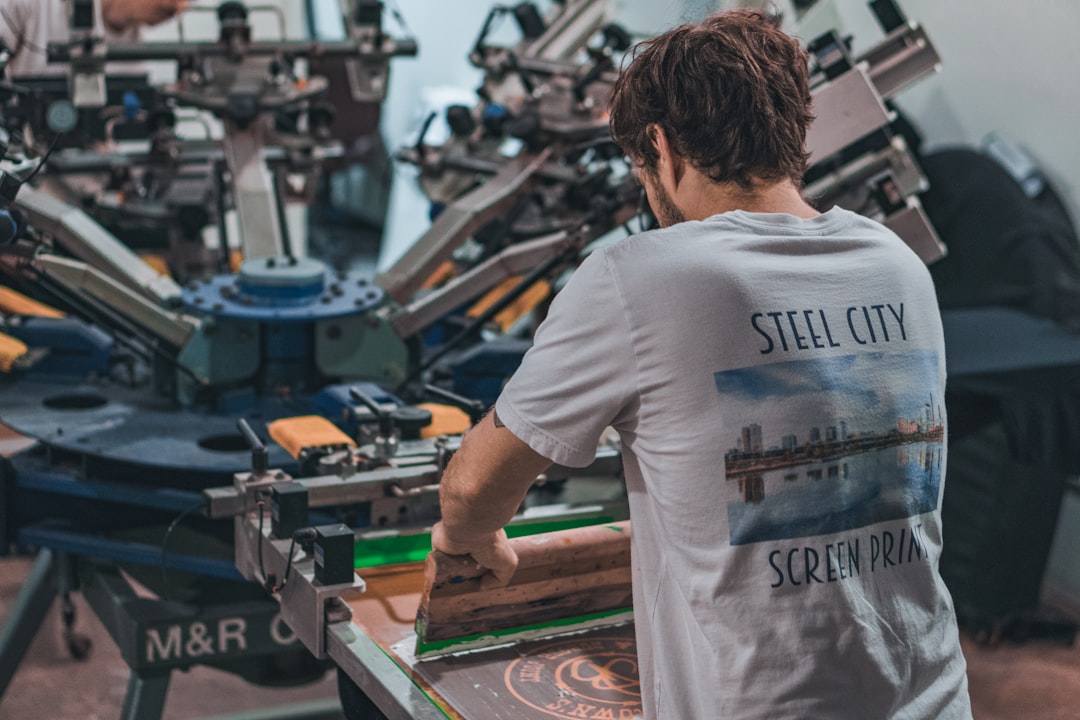
In the dynamic realm of printing, heat press machines have emerged as indispensable tools, revolutionizing the way we create personalized merchandise, from apparel to accessories. As demand surges for unique, on-demand products, understanding the nuances of these machines is paramount. This guide delves into the intricacies of heat press types, including the popular clamshell, swing-away, and sublimation designs, each with its unique advantages. Furthermore, we dissect the art of DTF (Direct to Fabric) transfers, a cutting-edge technique that allows for crisp, natural prints. By exploring optimal settings and vital maintenance practices, readers will gain the expertise needed to unlock the full potential of their heat press machines.
- Clamshell vs Swing-Away Machines: Design Differences
- Heat Press Settings: Optimizing for DTF Transfers
- Maintenance Tips for Longevity: Preventive Care
- Advanced Techniques for Seamless DTF Printing
Clamshell vs Swing-Away Machines: Design Differences
Clamshell vs Swing-Away Machines: Design Differences
In the world of t-shirt printing using heat press machines, two designs stand out: clamshell and swing-away. Each offers unique advantages tailored to specific applications, primarily driven by their distinct mechanical architectures. Clamshell presses, for instance, feature a top and bottom plate that closes like a shell, creating a sealed chamber for the sublimation process. This design facilitates efficient heat distribution, making them ideal for large-scale production runs where speed and consistency are paramount. For instance, in industrial settings or professional printing shops, clamshell machines can rapidly produce high-quality DTF transfers naturally, ensuring uniform pressure and temperature throughout the press cycle.
Swing-away presses, on the other hand, operate on a different principle. The top plate pivots away from the bottom, opening like a door, allowing for easier access to the printing area. This design offers several practical benefits. It provides printers with better visibility and control during delicate printing operations, such as cap or mug printing, where precise alignment is crucial. Additionally, swing-away machines often come with enhanced safety features, ensuring operators can safely load and unload materials without risking burns or injuries. While slightly slower than clamshell presses due to their opening mechanism, they remain a preferred choice for small-batch or custom t-shirt printing projects.
Choosing between these two depends on your specific needs. Clamshell machines are the game changer for high-volume production, where speed and efficiency matter most. Conversely, swing-away presses excel in scenarios requiring finer control, visibility, and safety considerations, like DTF transfers onto caps or mugs. Regular maintenance, including thorough cleaning and checking of heating elements, is essential for both types to ensure optimal performance and longevity, regardless of the design.
heat press resource of the day
heat press resource
Heat Press Settings: Optimizing for DTF Transfers
Optimizing heat press settings for Direct to Fabric (DTF) transfers involves a delicate balance of temperature, pressure, and time. For t-shirt printing, starting with the right parameters is crucial. A common initial setting might be 350°F (177°C) for 20 seconds, but this can vary significantly depending on the fabric type and design complexity. For instance, darker fabrics may require higher temperatures to ensure ink adhesion, while lighter or specialized materials might necessitate lower settings to prevent damage.
Pressurization is another key variable. Light pressure is suitable for delicate fabrics, whereas medium to high pressure is often needed for thicker materials like cotton or polyester blends. Experiencing with different pressures can significantly impact the final transfer quality and fabric strain. Maintaining a consistent press time ensures even heating and fusing of the ink, preventing inconsistent prints.
Regular calibration and maintenance are essential for optimal DTF transfers. Calibrating your heat press regularly helps ensure accuracy in temperature and pressure readings. Additionally, cleaning the platens and ensuring they are free from residue or debris is vital to maintain consistent results. Many professionals find that using a heating pad with adjustable settings offers precise control over the heat press environment, allowing for more consistent and high-quality DTF transfers on a variety of fabrics.
Maintenance Tips for Longevity: Preventive Care
Regular maintenance is key to extending the lifespan of your heat press machine, ensuring consistent quality in your t-shirt printing projects, and maximizing return on investment. For DTF transfers, a focus on preventive care is particularly crucial due to the delicate nature of the process. Clamshell and swing-away presses, while versatile for various printing methods including sublimation, cap, and mug designs, require specific attention to maintain precision and efficiency.
Core maintenance practices involve consistent cleaning, both internal and external. After each use, thoroughly wipe down the press plate and heating element with a microfiber cloth dampened with isopropyl alcohol to remove any residual ink or buildup. This preventive step minimizes the risk of blocked nozzles and ensures optimal heat distribution for DTF transfers. Moreover, regularly inspect and replace worn-out components such as gaskets and seals to prevent leaks and maintain air pressure, critical for swing-away presses.
Another essential aspect is temperature calibration. Most heat presses offer digital controls, allowing for precise temperature settings tailored to different printing methods. For DTF transfers, a delicate balance is key; too much heat can cause ink smudging or warping, while too little can result in incomplete transfers. Regular calibration ensures your press maintains the optimal temperature range, enhancing the quality and longevity of your prints. Data shows that proper temperature control can extend the life of a heat press by up to 25%, underscoring its importance in preventive care.
Lastly, plan for regular service and parts replacement. Consult your machine's user manual for manufacturer-recommended service intervals. During these intervals, consider a deep clean, thorough inspection, and replacement of critical parts. For instance, if your press utilizes a press arm, ensure it moves smoothly and is properly lubricated. Regular maintenance not only prolongs your heat press machine's life but also ensures your t-shirt printing business maintains a high standard of quality and efficiency.
Advanced Techniques for Seamless DTF Printing
In the realm of t-shirt printing, Direct to Fabric (DTF) transfers have emerged as a game-changer, offering unparalleled quality and versatility. Advanced techniques for seamless DTF printing involve understanding the intricacies of your heat press machine and optimizing settings for various materials. Consider the versatile DTF process, which allows you to print on a wide range of fabrics without the need for specialized equipment or intermediate layers.
One key aspect is mastering the different types of heat presses, such as clamshell and swing-away machines, each with unique advantages. Clamshell presses, for instance, excel in even heat distribution, ideal for delicate materials like cotton, while swing-away models offer enhanced visibility and control during the pressing cycle—perfect for intricate designs on various garments. For top-tier results, fine-tune your machine's settings according to material type; fabric composition significantly impacts heat transfer quality. Polyester blends, for example, require higher temperatures and shorter times compared to 100% cotton. Regular maintenance is equally crucial; keeping your press clean and ensuring proper platens (or heating plates) condition guarantees consistent print accuracy and longevity.
Advanced users often explore techniques like sublimation, cap printing, and mug decoration to expand their creative horizons. Heat press machines capable of handling these tasks open doors to diverse product customization. For instance, DTF transfers on caps demand precise heat application to prevent warping, while mug printing requires careful consideration of design placement to avoid smudging. Regularly testing new materials and settings allows you to refine your process, ensuring each heat press cycle yields impeccable results. Data from industry studies indicates that mastering advanced techniques can lead to increased productivity and customer satisfaction in t-shirt printing businesses.
Frequently Asked Questions About Heat press machine guides: clamshell, swing-away, sublimation, cap, mug, DTF, settings and maintenance.
What is a heat press machine? A heat press machine is a device used for applying heat and pressure to transfer designs onto various materials, primarily textiles like t-shirts, mugs, caps, and more. It consists of a heated platens and a press mechanism, allowing users to create custom prints with ease.
How does a clamshell heat press differ from a swing-away model? Clamshell presses feature two hinged platens that close together, offering a simple, compact design. Swing-away models have a single platen that swings away from the base, providing easier material loading and removal but taking up more space. The choice depends on your workspace and production needs.
What is sublimation printing, and how does it work? Sublimation involves transferring dye from a solid (ink) directly onto a porous surface (like polyester) using heat. The ink molecules change from a solid to a gas state, permeating the material. This method offers vibrant, durable prints on a wide range of products, including mugs, phone cases, and textiles.
Can I print on caps or mugs with a DTF (Direct-to-Film) heat press? Yes, DTF printing is suitable for various surfaces, including plastic and metal items like caps and mugs. It involves applying a thin film ink that melts into the material when heated, resulting in high-quality prints with excellent durability and color accuracy.
What are some essential settings to consider for optimal heat press results? Key settings include temperature, pressure, and press time. Optimal temperatures vary based on material type, typically ranging from 350°F to 400°F (175°C to 205°C). Pressure should be adjusted according to the thickness of the item, while press times generally range from 15 seconds to 2 minutes, depending on the design complexity.
How often should I maintain my heat press machine? Regular maintenance depends on usage frequency and type. For frequent use, consider cleaning the platen and adjusting the pressure regularly. Deep cleaning and component lubrication are recommended every 1-3 months. Always refer to your machine's manual for specific maintenance guidelines.
By exploring the intricacies of heat press machines and their diverse applications, from clamshell to swing-away models, this guide has empowered readers with a comprehensive toolkit for DTF transfers. Understanding the unique settings and maintenance routines is crucial for achieving optimal results and ensuring longevity. Through mastering these techniques, users can seamlessly navigate the world of direct-to-fabric (DTF) printing, creating vibrant designs with precision and efficiency. The insights gained here serve as a foundation for further exploration, encouraging readers to experiment and innovate within this dynamic field.