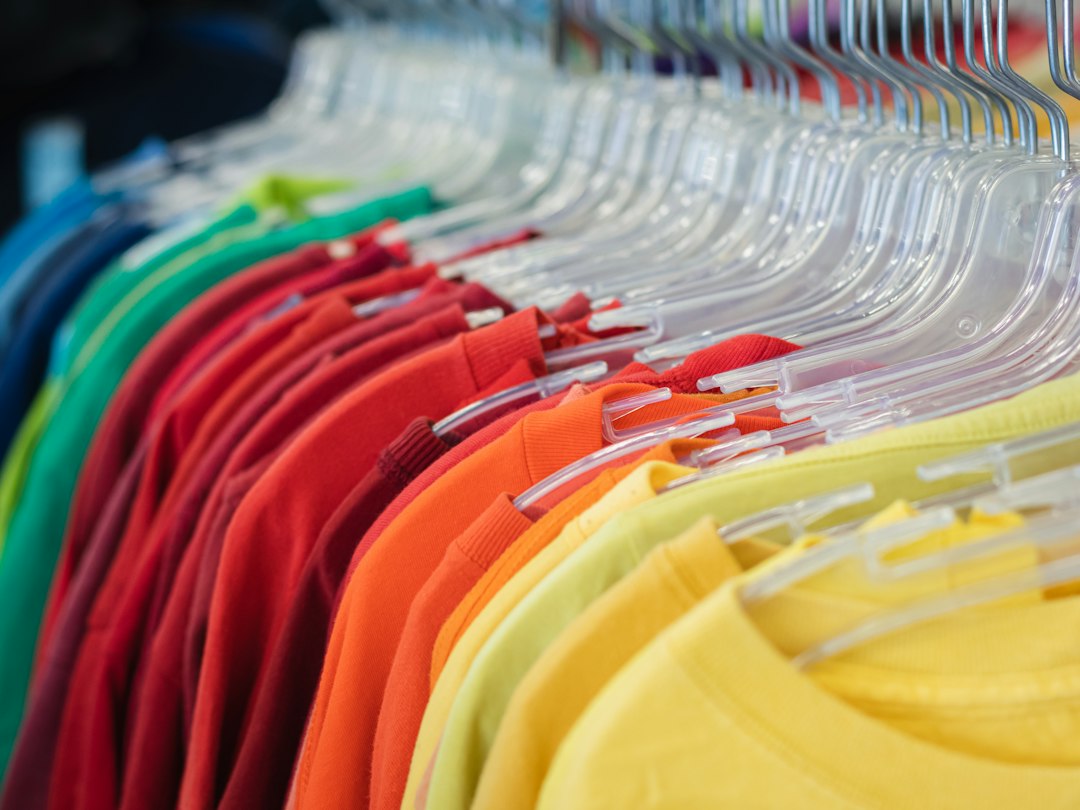
In today's vibrant world of print on demand, mastering various heat press techniques is paramount for success. From creating captivating apparel designs to personalizing mugs and accessories, understanding different machines and their capabilities is crucial. This guide tackles a pressing issue: navigating the diverse landscape of heat press machines, from clamshell to swing-away models, each with unique strengths. We delve into specific applications like sublimation, cap printing, and DTF (Direct to Fabric) transfers, where precision settings and proper maintenance are key to achieving flawless results. By the end, you'll be equipped with the knowledge needed to select and maintain your heat press for optimal performance, ensuring DTF transfers naturally and beautifully.
- Understanding Heat Press Machines: Types and Their Uses
- Mastering DTF Transfers: Techniques for Success
- Settings Guide: Optimizing Your Heat Press Machine
- Maintenance Tips: Ensuring Longevity and Quality Prints
Understanding Heat Press Machines: Types and Their Uses
Heat press machines come in various types, each designed for specific applications in the printing industry, particularly in t-shirt printing. Understanding these machines and their unique features is crucial for professionals aiming to optimize their production processes. Among the popular options, DTF (Direct to Fabric) transfers stand out for their ease of use and versatility. These transfers are naturally adapted for heat press applications, offering high-quality results on a wide range of fabrics.
One of the key distinctions lies in the machine types. The clamshell heat press, for instance, is a traditional design featuring two halves that clamp down on the material, providing even pressure. This type is suitable for general-purpose printing, including DTF transfers, as it offers precise temperature and pressure control. Swing-away models, on the other hand, offer a more ergonomic approach, allowing the operator to swing away the top portion for easier material loading and unloading, which can increase productivity in high-volume operations.
Sublimation printing, another prominent method, involves transferring designs from a solid surface to a substrate like polyester or nylon. This process utilizes heat and pressure to cause the dye to permeate the material, resulting in vibrant, long-lasting prints. Cap and mug printing, popular for promotional items, leverages heat presses to apply designs to curved surfaces with precision. In the context of t-shirt printing, DTF transfers often utilize a cap or mug printing heat press to create intricate, detailed designs, showcasing the versatility of these machines. Regular maintenance, including cleaning and calibrating the press, is essential to ensure optimal performance and longevity, regardless of the specific heat press type or application.
heat press resource of the day
heat press resource
Mastering DTF Transfers: Techniques for Success
Mastering Direct to Fabric (DTF) Transfers requires a precise understanding of both the process and the equipment, particularly in the context of heat press machines. A DTF transfer is an innovative method for printing on various fabrics, offering exceptional quality and versatility. The heat press machine plays a pivotal role here, enabling the application of designs directly onto fabric with remarkable accuracy and speed. Among the available options, DTF transfers stand out for their ability to print on unconventional surfaces like caps, mugs, and more, making them a favorite among t-shirt printers looking to expand their services.
When it comes to DTF transfers, the heat press machine's settings are crucial. Optimal temperature and pressure must be carefully adjusted based on the fabric type and design complexity. For instance, lighter fabrics may require lower temperatures to prevent damage while ensuring ink adhesion. Practice and experience are key to mastering these settings, allowing printers to achieve consistent results across various materials. Regular maintenance of the heat press is equally important; cleaning the platen and ensuring proper lubrication can extend its lifespan and maintain print quality.
Techniques for successful DTF transfers involve pre-treating fabrics, using high-quality inks designed for direct application, and considering the design layout to optimize pressure distribution. For caps and mugs, for example, printers should focus on achieving crisp outlines and vibrant colors while accounting for the curvature of these items. By combining precise heat press techniques with top-tier materials, t-shirt printers can offer clients a diverse range of creative options, from personalized caps to beautifully designed mugs.
Settings Guide: Optimizing Your Heat Press Machine
Optimizing your heat press machine settings is an art that can elevate your t-shirt printing game to new heights. Whether you're a seasoned pro or just starting out, understanding the nuances of temperature, pressure, and time for various print types can significantly impact the quality and speed of your DTF transfers. For instance, Direct To Fabric (DTF) transfers naturally require lower pressures and slightly longer durations due to the direct application onto textile surfaces. A common setting might start at 180°C (356°F) with a pressure of 20-30 psi for around 120-150 seconds, but these parameters can vary based on material and design complexity.
Each heat press machine offers a range of settings, often including different temperature profiles, pressure levels, and time intervals. For swing-away models, the ease of opening and closing allows for quicker cycle times, ideal for high-volume printing. Clamshell presses, known for their efficiency, offer precise control over temperature and pressure, making them versatile for various print types, especially DTF and sublimation. Cap and mug presses, while specialized, require specific settings tailored to the unique properties of caps and mugs, respectively.
Regular maintenance is key to keeping your heat press machine in top condition. This includes cleaning the platens regularly to prevent build-up of ink or residue, ensuring proper lubrication for smooth operation, and periodically checking and replacing worn parts. Additionally, calibrating your machine according to the manufacturer's guidelines ensures accurate temperature readings, which is crucial for consistent print quality. By fine-tuning these settings and adopting a meticulous maintenance routine, you can expect optimal performance from your heat press, resulting in high-quality DTF transfers every time.
Maintenance Tips: Ensuring Longevity and Quality Prints
Maintaining your heat press machine is paramount to ensuring longevity and quality in your t-shirt printing endeavors, particularly when employing DTF transfers. Regular cleaning and calibration are non-negotiable. After each printing session, take the time to wipe down the platen with a microfiber cloth to remove any residual ink or debris. This preventative measure not only keeps your machine looking pristine but also prevents clogs and misalignments in the future.
Consider setting aside a designated maintenance schedule, perhaps after every 50-100 prints, to perform a more thorough cleaning. This includes disassembling the machine where possible, using a soft brush to remove any built-up ink, and applying a thin layer of lubricant to moving parts. Pay special attention to the hinge mechanism of swing-away models and the clamp system in clamshell presses. Proper lubrication ensures smooth operation and minimizes wear over time.
Temperature and pressure settings play a crucial role in DTF transfer quality. Regularly calibrate your heat press to ensure accuracy. Most machines come with calibration tools, making this process straightforward. Maintaining the recommended temperature and pressure parameters for your specific DTF material will result in crisp, vibrant transfers. For instance, while printing on caps or mugs, slightly lower temperatures and shorter press times may be necessary to prevent warping or melting.
Lastly, don't overlook the importance of using high-quality DTF inks and materials. Cheaper alternatives may compromise print quality and machine longevity. Always refer to the manufacturer's guidelines for maintenance and care, as different heat press models may have unique requirements. By adhering to these maintenance tips, you'll not only extend the life of your heat press but also consistently produce top-quality DTF transfers.
Frequently Asked Questions About Heat press machine guides: clamshell, swing-away, sublimation, cap, mug, DTF, settings and maintenance.
What is a heat press machine and how does it work? A heat press machine is a device used to apply heat and pressure to transfer designs onto various materials, primarily textiles like t-shirts, mugs, and caps. It works by clamping two plates together, heating them, and then quickly pressing the design onto the material. This process allows for precise, high-quality printing, making it popular among businesses and hobbyists alike.
What are the different types of heat press machines? Heat press machines primarily differ in their designs and functionalities. Clamshell presses have a hinged top and bottom clam, while swing-away models allow the top plate to swing away for easier material loading. Sublimation presses use a special paper to transfer designs onto materials like plastic or metal. Cap and mug presses are specialized for printing on headwear and drinking vessels, respectively, featuring adjustable templates. DTF (Direct to Fabric) presses are designed for printing directly onto fabrics without the need for special papers.
How do I set the correct temperature and pressure for my heat press? Setting the right temperature and pressure depends on the material you're pressing, the design's complexity, and the type of ink used. Refer to your machine's manual for specific guidelines. A good starting point is to set the temperature slightly below the material's recommended maximum (often found on the ink packaging) and adjust pressure accordingly. Test prints on scrap materials before applying heat to your final product.
What maintenance is required for a heat press machine? Regular cleaning is essential for maintaining optimal performance. Wipe down the plates with a mild detergent after each use, avoiding abrasive cleaners. Periodically, deep clean the plates using isopropyl alcohol and a soft cloth to remove buildup. Ensure the machine's heating element is well-lubricated to prevent damage. Keep the press in a dry place and refer to the manufacturer's guidelines for any additional maintenance tasks specific to your model.
Can I print on curved surfaces or non-traditional materials with a heat press? While heat presses are primarily designed for flat surfaces like t-shirts, caps, and mugs, it is possible to print on slightly curved objects using specialized templates and techniques. For truly curved items or non-traditional materials like metal or wood, dedicated equipment may be required. Experimentation is key when exploring these alternatives, always starting with small batches to test results.
In conclusion, this guide has comprehensively explored the world of heat press machines, empowering readers with a deeper understanding of various types and their specialized applications. From the classic clamshell and swing-away designs to innovative sublimation, cap, mug, and DTF (Direct to Fabric) techniques, each method offers unique advantages for different printing needs. Mastering DTF transfers, in particular, has been highlighted as a powerful tool for achieving high-quality, vibrant results. By delving into the settings guide, readers now possess the knowledge to optimize their machines, ensuring precise temperature and pressure control for consistent print excellence. Furthermore, the maintenance tips section serves as a vital resource, emphasizing regular cleaning and calibration to guarantee longevity and the preservation of print quality. With these insights, users are now equipped to navigate the complexities of heat press technology, enabling them to create exceptional designs across various mediums, from apparel to promotional items.