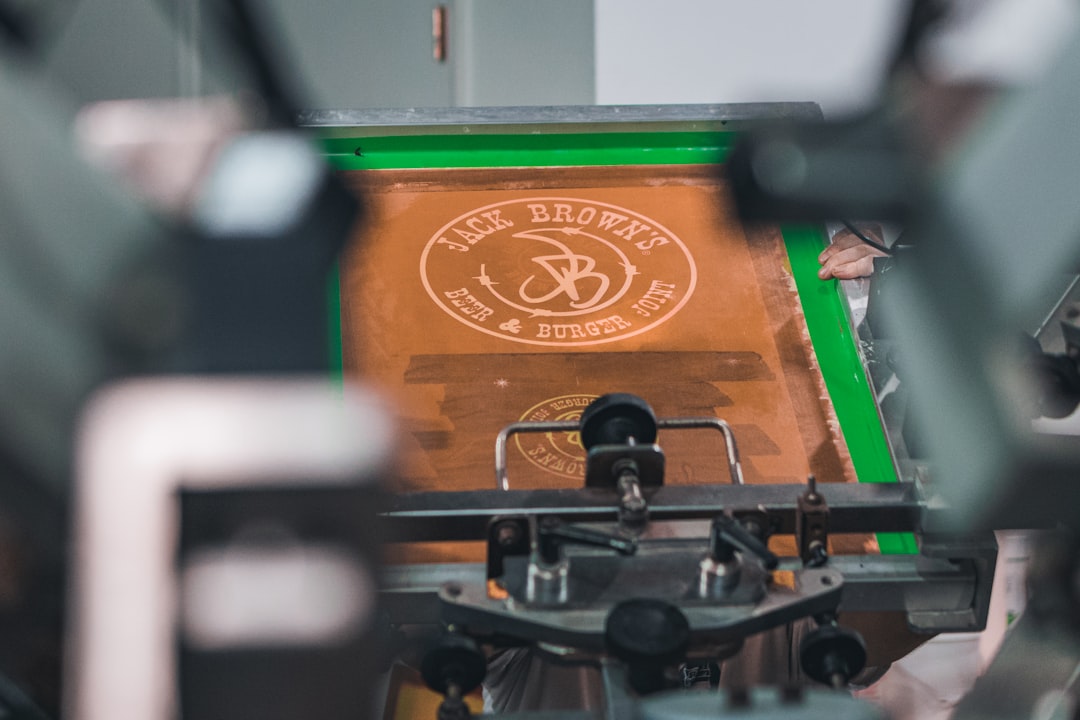
In today's dynamic market, the heat press machine has emerged as a pivotal tool for businesses seeking to create custom designs on various products. From apparel to accessories, and even gourmet items like mugs and caps, the versatility of these machines is unparalleled. However, with options ranging from clamshell to swing-away models, sublimation to DTF technologies, navigating the landscape can be daunting for newcomers. This guide aims to demystify the process by offering in-depth insights into different heat press machine types, their applications, and essential settings, enabling users to unlock their full potential. Let's dive in and explore how proper maintenance can ensure these machines become reliable assets for any business.
- Understanding Heat Press Machine Types: Clamshell vs Swing-Away
- Heat Press Settings: A Comprehensive Guide for Different Techniques
- Mastering Sublimation, Cap, Mug, DTF: Applications & Best Practices
- Maintenance & Care: Extending Your Heat Press Machine's Lifespan
Understanding Heat Press Machine Types: Clamshell vs Swing-Away
The choice between a clamshell and swing-away heat press machine is a crucial decision for anyone involved in t-shirt printing or other sublimation techniques. Both types have their distinct advantages and applications, influencing the overall efficiency and quality of the printing process. Clamshell machines, for instance, are known for their compact design and ease of use, making them ideal for small businesses or hobbyists. Their simple mechanism involves a top and bottom plate that closes tightly, transmitting heat and pressure evenly across the design. This design results in consistent print quality on a variety of materials, including fabrics and plastics.
Swing-away models, on the other hand, offer a more industrial approach with a swinging arm that moves away from the work surface, providing a larger printing area. This design is particularly advantageous for handling larger items like mugs, caps, and even phone cases. The swing-away mechanism allows for easier loading and unloading of materials, enhancing productivity in high-volume printing operations. Moreover, these machines often incorporate advanced settings and controls, enabling precise temperature and pressure adjustments for different printing tasks. For instance, a swing-away heat press might have dedicated settings for cap printing, ensuring the right amount of heat and pressure to transfer designs onto curved surfaces without smudging or missing details.
When considering a heat press machine for t-shirt printing or similar applications, understanding these differences is key. For smaller-scale projects or those requiring versatility, a clamshell machine can be an excellent choice. Its compactness and simplicity make it easy to use and maintain. Conversely, swing-away models are better suited for commercial operations or specialized printing tasks, where larger items and precise controls are essential. Regular maintenance, such as cleaning the plates and ensuring proper heat and pressure settings for different materials, is crucial for both types to ensure optimal performance and prolonged lifespan.
heat press resource of the day
heat press resource
Heat Press Settings: A Comprehensive Guide for Different Techniques
Heat press machine settings vary significantly based on the printing technique, material, and desired outcome. For instance, t-shirt printing using a heat press involves distinct parameters from applying sublimation to a mug. Understanding these settings is crucial for achieving high-quality results and ensuring the longevity of your heat press machine.
For t-shirt printing, the most common methods are direct-to-garment (DTG) and vinyl heat transfers. DTG printing requires lower temperatures (around 350°F - 375°F) and shorter press times, typically 15-30 seconds. This setting is ideal for printing detailed designs on light-colored fabrics. In contrast, vinyl transfers demand higher temperatures (around 380°F - 400°F) and longer press durations (30-60 seconds) to fuse the vinyl design onto the fabric securely.
Sublimation, another popular technique for t-shirt printing and other products like mugs, uses a heat press to transfer dye from a solid substrate (like paper) directly onto a blank item. This process necessitates even higher temperatures (up to 400°F) and longer press times (2-3 minutes) to ensure complete dye transfer and colorfastness. The specific settings can vary based on the type of dye and material, making it essential to consult the manufacturer's guidelines.
Regular maintenance is integral to optimal heat press machine performance. Cleaning the plate after each use, calibrating the temperature and pressure regularly, and replacing parts as needed significantly extend the machine's lifespan. Moreover, monitoring and adjusting settings based on material types and design complexity ensures consistent, high-quality prints.
Mastering Sublimation, Cap, Mug, DTF: Applications & Best Practices
Mastering sublimation, cap, mug, and DTF (Direct to Fabric) printing on a heat press machine is an art that requires precision and understanding of each application's unique characteristics. These techniques have revolutionized t-shirt printing and merchandise personalization, offering endless design possibilities.
Sublimation involves transferring dye from a transfer paper directly onto a fabric surface using heat and pressure. It's ideal for polyesters and nylon, delivering vibrant, long-lasting colors. For instance, creating custom designs on phone cases or promoting brands on reusable water bottles through sublimation is a popular choice. Heat press machines with accurate temperature and pressure controls are essential for achieving consistent results. Settings should be fine-tuned based on the material; for example, polyester requires lower temperatures than cotton to prevent damage.
Cap and mug printing have gained immense popularity due to their versatility in promotional products. When heat pressing designs onto caps or mugs, it's crucial to consider the shape and curvature of these items. Using specialized templates ensures even heat distribution, resulting in sharp, detailed prints. For instance, a sports team might order custom caps with their logo for fans, enhancing team spirit. Similarly, DTF printing allows for direct application on various materials like wood, metal, or glass, opening doors for unique personalized gifts and home decor items.
Proper maintenance of your heat press machine is vital to ensure optimal performance and longevity. Regular cleaning, including wiping down the heating plate and removing residual inks, prevents buildup. Additionally, checking and calibrating pressure and temperature settings periodically guarantees consistent quality in each print job. For instance, a well-maintained heat press can produce 300-500 high-quality t-shirt prints before requiring maintenance, depending on usage intensity.
Maintenance & Care: Extending Your Heat Press Machine's Lifespan
Proper maintenance and care are essential to extending the lifespan of your heat press machine, an investment crucial for successful t-shirt printing ventures. Regular cleaning and servicing can prevent premature wear and ensure optimal performance. Start by developing a consistent maintenance routine, including daily and weekly tasks. Daily operations involve wiping down the machine's exterior with a soft cloth, removing any residual ink or debris from the platen, and ensuring proper cooling before storage. Weekly, deep clean the machine using recommended cleaning solutions to remove built-up oils and inks, especially around the clamp area and heating elements.
Beyond routine care, addressing specific components is vital. Inspect the clamshell or swing-away mechanism for any signs of damage or wear, lubricating hinges as needed. For sublimation printing enthusiasts, maintaining the transfer belt is paramount; replace it according to manufacturer recommendations to preserve print quality. Additionally, monitor and calibrate temperature settings regularly, as inaccurate temperatures can negatively impact prints, especially with delicate materials like caps and mugs.
To maximize longevity, consider preventive measures. Store your heat press machine in a dry, cool place, away from direct sunlight or extreme heat sources. Protect the platen by using protective covers when not in use. Implement proper ventilation to prevent excessive heat buildup during extended operations. Regularly refer to the manufacturer's guidelines for maintenance schedules and part replacements, as these can provide valuable insights into prolonging your heat press machine's lifespan, thereby enhancing the efficiency of your t-shirt printing processes.
Frequently Asked Questions About Heat press machine guides: clamshell, swing-away, sublimation, cap, mug, DTF, settings and maintenance.
What is a clamshell heat press machine? A clamshell heat press machine features a hinged design with two halves that close together to apply heat and pressure to the design. This style is popular for its ease of use and versatility, suitable for a wide range of materials and applications, from t-shirts to mugs.
How does a swing-away heat press differ from a clamshell? A swing-away heat press has a design where the press plate swings away from the base, offering a more open workspace when not in use. This style is often preferred for larger designs or complex prints that require more room for preparation and removal.
What is sublimation printing, and how does it work with a heat press? Sublimation printing involves transferring a design from a solid surface (like a dye) directly onto a material, typically polyester or nylon, using heat and pressure. A heat press is used to apply the necessary heat and pressure to facilitate the color transfer, creating vibrant, long-lasting prints.
What are the best materials for DTF (Direct to Garment) printing? DTF printing is suitable for a variety of materials, including cotton, polyester blends, and other fabrics with a suitable surface for ink adhesion. Ensure the fabric is clean, dry, and free of contaminants for the best print quality.
How do I set the correct temperature and pressure for my heat press? The ideal temperature and pressure depend on the material, design, and press type. Consult your heat press manual or manufacturer guidelines for specific settings. Generally, higher materials like polyester require higher heat, while lower materials like paper need less. Adjust pressure based on the thickness and rigidity of the material.
What is the recommended maintenance for a heat press machine? Regular cleaning, including wiping down the press plate and heating element, is crucial. Follow the manufacturer's guidelines for cleaning and maintenance intervals. Lubrication of moving parts may also be necessary, but check your machine's specific requirements. Keep the press in a dry, well-ventilated area to prevent damage.
By exploring the diverse world of heat press machines, from clamshell and swing-away designs to specialized applications like sublimation, cap, mug, and DTF printing, this guide has demystified the choice and operation of these powerful tools. Understanding the nuances of heat press settings and mastering maintenance routines is crucial for achieving optimal results and extending the lifespan of your heat press machine. Armed with this knowledge, you're now equipped to navigate the landscape of heat press machine possibilities, fostering innovation and creative expression in your work.