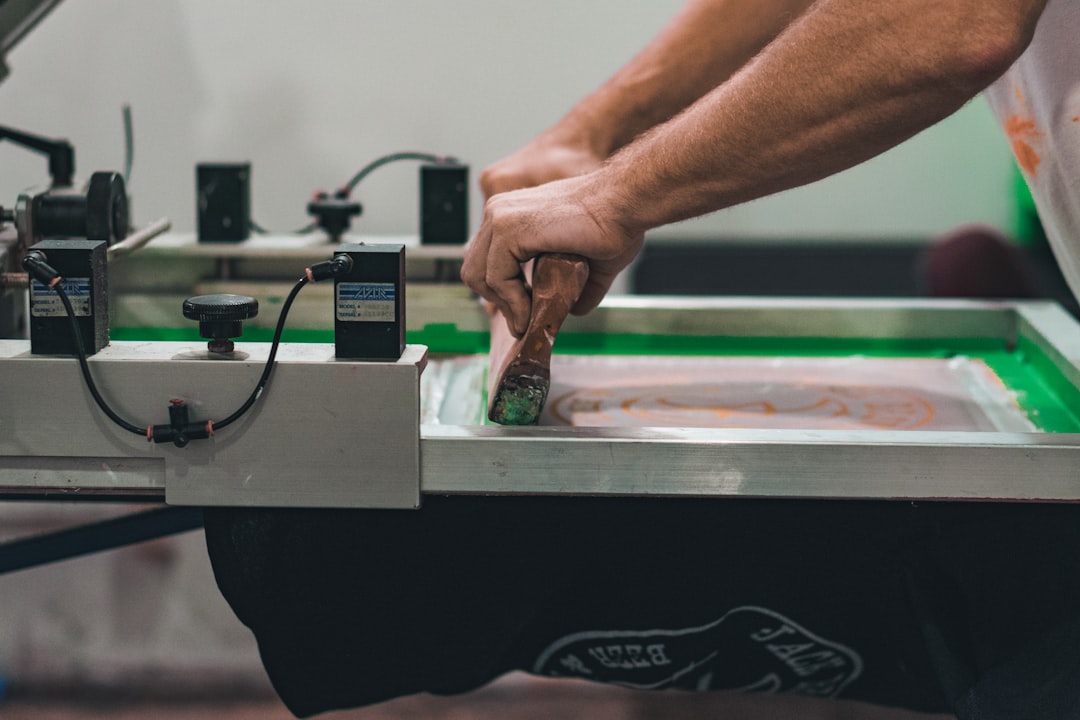
In today's dynamic market, the heat press machine has emerged as a versatile tool for crafting high-quality custom designs on a variety of materials. From apparel to mugs and beyond, understanding the nuances of different heat press types—such as clamshell, swing-away, sublimation, cap, mug, DTF (Direct-To-Garment), and more—is crucial for achieving optimal results. This comprehensive guide delves into the intricacies of these machines, providing insights into their unique features, application settings, and essential maintenance practices. By mastering these aspects, you'll be well-equipped to navigate the world of heat pressing with confidence and precision.
- Understanding Heat Press Machine Types: Clamshell vs. Swing-Away
- Sublimation, Cap, Mug, DTF: Application Techniques Explored
- Optimizing Settings for Print Quality and Efficiency
- Maintenance and Care for Longevity: A Comprehensive Guide
Understanding Heat Press Machine Types: Clamshell vs. Swing-Away
When it comes to choosing the right heat press machine for t-shirt printing or similar applications, understanding the differences between types is crucial. Two prominent designs stand out: the clamshell and swing-away models. Each offers unique advantages and is suited to different workflows, making the selection process vital for optimal efficiency and output quality.
Clamshell heat presses are characterized by their hinged design, where the upper and lower platens meet in a "clamshell" fashion. This mechanism allows for easier loading and unloading of materials, particularly when working with larger or odd-shaped items. The clamshell design is a natural fit for bulk printing operations where speed and simplicity are key. For instance, a t-shirt printing business focusing on custom designs for events might prefer a clamshell machine due to its rapid cycling time, which enables faster production of large orders.
In contrast, swing-away presses feature a sliding mechanism instead of a hinge. The upper platen swings away from the base, providing quick and easy access to the print area. This design is particularly advantageous for small-batch printing or when working with intricate designs that require precise control. A graphic artist specializing in custom caps or mugs could benefit from the swing-away style, as it allows for more maneuverability during setup and ensures accurate alignment for detailed sublimation prints.
The choice between these types significantly impacts operational flow and final product quality. Clamshell presses excel in high-volume scenarios, while swing-aways offer enhanced versatility for diverse printing needs. Ultimately, the decision should align with business requirements, print complexity, and desired production speed, ensuring the heat press machine becomes a reliable partner in creating exceptional products.
heat press resource of the day
heat press resource
Sublimation, Cap, Mug, DTF: Application Techniques Explored
Sublimation, cap, and mug printing, along with Direct-To-Fashion (DTF) techniques, have revolutionized t-shirt printing using heat press machines. Each method offers unique advantages, catering to diverse design preferences and material compatibility. Sublimation, for instance, is ideal for full-color, vibrant prints on polypropylene, polyester, and nylon fabrics. The process involves transferring dye directly from a printhead onto the material, resulting in sharp, detailed images. Heat press machines designed for sublimation typically feature precise temperature and pressure controls, allowing for intricate designs that are both durable and long-lasting.
Cap printing, another specialized application, demands precision and specialized equipment. Heat press machines for caps often incorporate clamping mechanisms to secure the cap's crown, ensuring consistent contact during the printing process. This is crucial for achieving high-quality, even prints on various cap styles and materials. Mug printing, similarly, requires specific considerations, such as temperature regulation and pressure distribution, to prevent warping or smudging. Heat press machines optimized for mugs often include platens designed to accommodate different mug shapes and sizes, ensuring consistent results across various orders.
Direct-To-Fashion (DTF) printing, a cutting-edge technique, streamlines the design process by directly applying graphics to textile fabrics without the need for separate screens or plates. This method is particularly popular for small-batch, on-demand printing, as it minimizes setup time and waste. Heat press machines supporting DTF often incorporate advanced heat plates and printing mechanisms capable of handling a wide range of fabric types and designs. For example, DTF printing can be used to create custom t-shirts with intricate, detailed graphics, making it a versatile and efficient option for both professional and personal use.
Optimizing Settings for Print Quality and Efficiency
Optimizing settings on your heat press machine is key to achieving high-quality prints and maximizing efficiency in t-shirt printing. Each heat press type—clamshell, swing-away, sublimation, cap, mug, DTF—offers unique features and requires specific setting adjustments for optimal performance. For instance, a clamshell press excels at direct-to-garment (DTG) printing due to its even pressure distribution, while a swing-away is ideal for caps and mugs thanks to its ergonomic design.
The primary settings to focus on are temperature, pressure, and pressing time. Maintaining the recommended temperature ranges specific to each material and application ensures optimal bonding. Exceeding these temperatures can lead to scorching or permanent damage to designs and garments. Similarly, applying just the right pressure is crucial; too little results in poor transfer, while excessive pressure can cause design distortion or even garishly smudge the print. Pressing times should be adjusted based on the material thickness and type of heat press used.
Regular maintenance is equally vital for consistent print quality. Cleaning your heat platens with a suitable cleaner after each use prevents buildup of residual ink and moisture, which can lead to inconsistent prints. Calibrating your machine periodically ensures accurate temperature readings and precise pressure application. Remember, investing time in optimizing these settings pays off with vibrant, long-lasting prints and increased throughput, making your heat press machine an invaluable asset for t-shirt printing ventures.
Maintenance and Care for Longevity: A Comprehensive Guide
Maintaining your heat press machine is essential for ensuring its longevity and optimal performance, especially when used frequently for t-shirt printing or other applications. Regular care and attention will not only extend the lifespan of your investment but also maintain the quality of your prints. Here’s a comprehensive guide to keeping your heat press machine in top shape.
Starting with cleaning, a thorough yet gentle approach is crucial. After each use, wipe down the machine’s exterior with a damp cloth to remove any residual ink or moisture. Avoid harsh chemicals or abrasive materials that could damage the surface. For internal components, a regular cleaning routine using isopropyl alcohol and a soft brush can dislodge any built-up ink or debris. This is particularly important for heat presses involved in sublimation or cap printing, where fine particles can accumulate. Always allow the machine to cool down before cleaning to prevent accidental burns.
One of the key aspects of heat press machine maintenance is consistent calibration. Temperature and pressure settings should be regularly checked and adjusted to match the latest standards and your specific material requirements. For example, a misaligned cap press might lead to uneven application of heat, resulting in subpar print quality. Regular calibration ensures accuracy and consistency, especially when running multiple jobs in a row. It’s also beneficial to maintain a log of adjustments for future reference and to track potential trends in performance.
Preventive maintenance plays a significant role in prolonging the life of your heat press machine. This includes periodic deep cleaning, lubricating moving parts (as recommended by the manufacturer), and inspecting for any signs of wear or damage. For instance, a swing-away heat press may require regular attention to the pivot points to ensure smooth operation. Regular maintenance not only enhances the machine’s performance but also reduces the likelihood of unexpected breakdowns, minimizing downtime for your t-shirt printing or other specialized projects.
Frequently Asked Questions About Heat press machine guides: clamshell, swing-away, sublimation, cap, mug, DTF, settings and maintenance.
What is a heat press machine? A heat press machine is a tool used to apply heat and pressure to transfer designs onto various materials, such as t-shirts, mugs, caps, and more. It consists of two primary components: a heating element and a press mechanism. The heating element raises the temperature, while the press applies pressure to ensure the design is properly transferred.
What are the different types of heat press machines? Heat press machines can be categorized into several types, including clamshell, swing-away, sublimation, cap, mug, and direct-to-fabric (DTF) presses. Clamshell machines feature a hinged design for easy loading and unloading. Swing-away models have a swing arm that lifts away from the work surface for access. Sublimation presses are used for transferring designs onto porous materials like fabric using sublimation ink. Cap and mug presses specialize in customizing caps and mugs, respectively. DTF presses allow for printing on various materials without the need for pre-cutting or masking.
How do I set the correct temperature and pressure for my heat press? Setting the appropriate temperature and pressure depends on the material being pressed and the design's complexity. Consult your machine's manual for recommended settings based on material type. A general rule is to start with a lower temperature and pressure, then adjust as needed based on the results. For fabric, temperatures typically range from 350-400°F (175-205°C) with pressures around 20-40 PSI (pounds per square inch). Always test on scrap material before applying to final products.
What maintenance is required for a heat press machine? Regular maintenance ensures your heat press performs optimally and prolongs its lifespan. Cleaning the heating element, platen, and press mechanism after each use is essential. Remove any residual ink or debris to prevent buildup. Periodically check and replace worn-out parts, such as gaskets and seals. Lubricate moving parts as recommended by the manufacturer. Calibrate the machine regularly to ensure accurate temperature and pressure readings.
Can I print on different types of materials with a heat press? Absolutely! Heat presses offer versatility in printing on a wide range of materials, including cotton, polyestere, nylon, leather, wood, ceramic, and more. The key is to choose the right ink and settings for each material type. Some materials may require pre-treating or masking to achieve optimal results. Always test on scrap material before printing on final products to ensure the best outcome.
By exploring the diverse applications of heat press machines, from clamshell and swing-away designs to specialized techniques like sublimation and DTF, this guide has empowered readers with the knowledge to make informed decisions. Understanding the nuances of different machine types, their settings, and maintenance practices is crucial for achieving exceptional print quality and ensuring the longevity of these valuable tools. With this comprehensive overview, users can now confidently navigate the heat press landscape, optimising their processes and unlocking the full potential of these innovative machines.