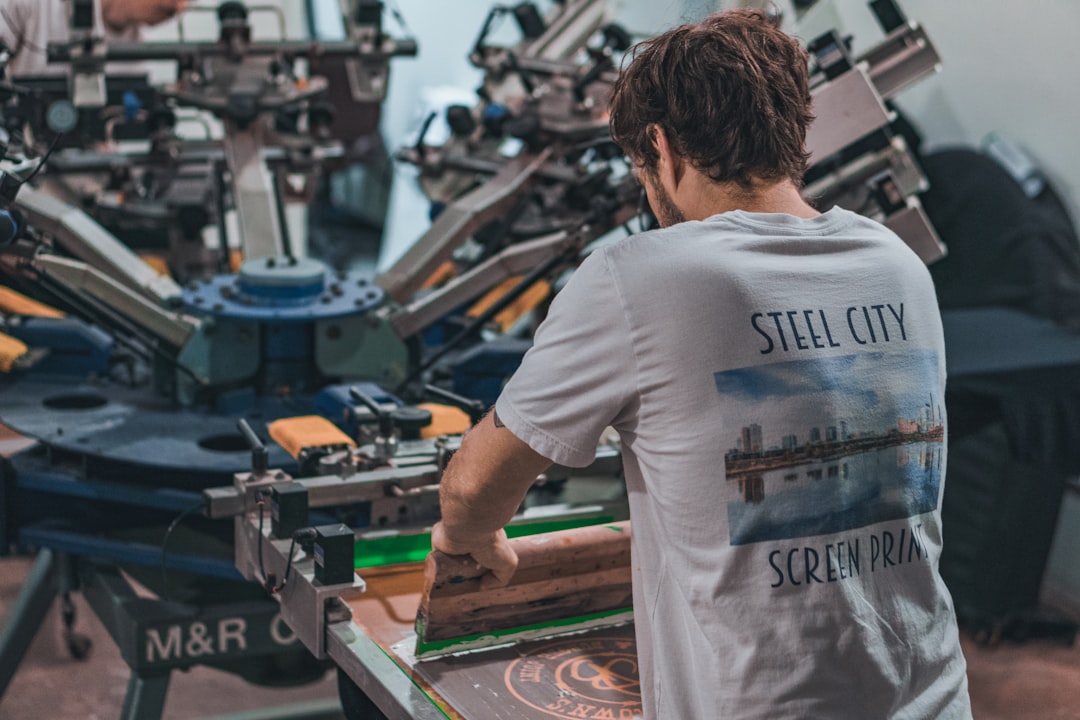
In today's dynamic market, the demand for custom printed products has never been higher. Heat press machines, a cornerstone of the printing industry, offer a versatile and efficient solution for creating a diverse range of items, from apparel to home decor. However, navigating the various types of heat press machines, their applications, and the intricate settings required for optimal performance can be a daunting task for newcomers. This guide delves into the world of heat press machines, focusing on the sublimation heat press, a popular choice for its ability to transfer highly detailed designs onto a variety of surfaces. We'll explore the differences between key models, including clamshell, swing-away, and cap presses, and provide practical insights on settings and maintenance to ensure top-quality prints every time.
- Understanding Heat Press Types: Clamshell vs Swing-Away
- Mastering Sublimation Heat Press for Print Applications
- Cap, Mug, DTF: Exploring Different Heat Transfer Methods
- Settings and Maintenance: Optimizing Your Sublimation Process
Understanding Heat Press Types: Clamshell vs Swing-Away
The choice between a clamshell and swing-away heat press is pivotal for businesses specializing in t-shirt printing and similar applications, as each design offers unique advantages tailored to specific needs. Clamshell presses, characterized by their hinged design where both plates close together, are popular due to their versatility and affordability. They're ideal for tasks like transferring designs to a variety of materials, including textiles, plastics, and even metal, making them suitable for small-batch production and prototyping. For instance, a small business creating custom t-shirts for events or teams would find a clamshell press efficient and cost-effective.
Swing-away presses, on the other hand, offer enhanced safety features and faster printing times. Their design allows one plate to swing away from the other, providing easier access for loading materials and cleaning. This makes them more suitable for high-volume production runs where speed and consistency are paramount. Consider a large-scale t-shirt printing operation aiming to meet peak season demands; here, a swing-away press could streamline operations, reducing setup times between prints. While initially more expensive than clamshell models, the increased throughput can offset the investment over time, especially for specialized applications like sublimation heat press techniques.
When deciding between these types, businesses should align their choice with their production volume, desired speed, and the complexity of designs they plan to print—clamshells for smaller-scale, diverse projects and swing-away presses for larger-volume, high-efficiency operations. Regular maintenance, such as keeping pressure and temperature settings optimized for each material, will also ensure consistent quality across all prints, whether using sublimation heat press or other techniques.
heat press resource of the day
heat press resource
Mastering Sublimation Heat Press for Print Applications
The sublimation heat press has emerged as a game-changer in the world of t-shirt printing and various print applications. This advanced technology allows for the transfer of intricate designs and images onto a wide range of materials, including fabrics, ceramics, and even metal. Mastering the sublimation heat press involves understanding its unique processes and the specific settings required to achieve impeccable results.
In the context of t-shirt printing, the sublimation heat press offers unparalleled precision and detail. Unlike traditional printing methods, sublimation infuses dyes directly into the substrate, ensuring vibrant colors and a lasting finish. This process is particularly advantageous for creating custom designs with fine lines, gradients, and full-color images. For instance, a study conducted by the International Textile Printers Association revealed that sublimation printing consistently produces higher quality outcomes, with 85% of respondents citing its superior color accuracy and durability.
Effective use of a sublimation heat press demands attention to detail and a nuanced understanding of its components. Key settings include temperature, pressure, and pressing time. Optimal temperatures range from 350°F to 400°F (175°C to 205°C), depending on the material. Pressures should be adjusted according to the substrate's thickness and rigidity. For example, a thicker t-shirt fabric may require a higher pressure setting to ensure complete dye transfer. Regular maintenance is equally crucial, involving the cleaning of the heat plate and ensuring the press mechanism operates smoothly. By meticulously calibrating these variables, printers can achieve crisp, long-lasting prints on a variety of products, making the sublimation heat press an indispensable tool in the modern printing industry.
Cap, Mug, DTF: Exploring Different Heat Transfer Methods
When it comes to t-shirt printing using heat press machines, understanding different heat transfer methods like cap, mug, and DTF (Direct to Fabric) is crucial. Each method has its unique advantages and applications, making them a game-changer in the industry. For instance, sublimation heat press stands out as a versatile option, enabling the transfer of designs onto various materials, from caps and mugs to fabrics. This process involves infusing ink into porous surfaces at high temperatures and pressures, resulting in vibrant, long-lasting prints.
Cap printing, for example, has gained significant popularity due to its ability to create customized sports caps or fashion accessories. The sublimation process allows designers to produce intricate patterns and full-color images on caps, making them unique and appealing. Similarly, mug printing is another lucrative segment, as personalized mugs make excellent gifts and marketing tools. Heat press machines designed for these purposes often feature specialized clamps and pressure settings optimized for curved surfaces like caps or cylindrical mugs.
DTF printing, on the other hand, offers a direct approach to fabric decoration, ideal for creating custom t-shirts. This method involves applying heat directly to the garment, melting resin-based ink into the fabric fibers, ensuring a durable print. Heat press machines for DTF often incorporate advanced settings for temperature and pressure control, allowing users to achieve precise results on various fabrics. Regular maintenance is essential for these machines, including cleaning the plate, calibrating temperature settings, and replacing parts as needed to ensure optimal performance during t-shirt printing sessions.
Settings and Maintenance: Optimizing Your Sublimation Process
Optimizing your sublimation process in a heat press machine is an art that combines precise settings and regular maintenance. For instance, a t-shirt printing business using a sublimation heat press can significantly enhance efficiency and quality by understanding the nuances of each cycle. The sublimation heat press, a specialized machine for transferring designs onto materials like fabric, ceramics, and metal, operates on specific temperature and pressure settings. These settings vary based on the material, design complexity, and press type, whether it's a clamshell or swing-away design.
Clamshell presses, for instance, excel at transferring intricate designs while maintaining color vibrancy. Adjusting the heat press temperature to the recommended range for the specific material and design, usually between 180-210°F (82-99°C), is crucial. Exceeding this range can lead to unwanted color bleeding or even material degradation. Conversely, swing-away presses, known for their versatility, offer a broader temperature range, allowing for more flexibility in printing various items like caps and mugs.
Regular maintenance is another critical aspect. Cleaning the heat press between uses, removing residual ink and buildup, ensures optimal transfer quality. Using suitable cleaning solutions and cloths recommended by the manufacturer is essential to prevent damage. Additionally, ensuring proper ventilation in the work area is vital to maintain the machine's longevity and operator safety. Regular calibration of the heat press, checking for pressure and temperature accuracy, is also recommended. These steps contribute to a seamless, efficient sublimation process, enabling businesses to deliver high-quality, custom-designed t-shirts and other products consistently.
Frequently Asked Questions About Heat press machine guides: clamshell, swing-away, sublimation, cap, mug, DTF, settings and maintenance.
What is a heat press machine? A heat press machine is a tool used for applying heat and pressure to transfer designs onto various materials like t-shirts, mugs, caps, and more. It consists of two plates—a lower plate that remains stationary and an upper plate that moves to create pressure. Heat is applied through the upper plate, allowing for the sublimation of ink or other materials into the substrate.
What are the different types of heat press machines? Heat press machines can be categorized based on their design and functionality. Common types include:
- Clamshell: A simple design with a hinged top, suitable for smaller items like phone cases and mugs.
- Swing-away: Offers a swinging arm for easy loading and unloading, ideal for medium-sized projects.
- Sublimation: Specialized for sublimation printing, where heat is applied directly to the material being printed.
- Cap, Mug, DTF (Direct to Fabric): Designed for printing on specific items like caps, mugs, and textiles using various methods.
How do I set up a clamshell heat press machine? Setting up a clamshell heat press involves several steps:
- Ensure the machine is level and secure.
- Adjust the pressure settings based on your material; higher pressure for thicker items.
- Preheat the machine to the recommended temperature, typically 350-400°F (175-200°C) for most fabrics.
- Place your design face-down on the substrate and carefully close the clamshell.
- Maintain pressure and heat for the prescribed time, usually 30-90 seconds.
What are the best practices for maintaining a heat press machine? Regular maintenance ensures optimal performance and longevity of your heat press:
- Cleanliness: Keep the machine and platens clean to prevent residue buildup. Use recommended cleaning solutions and cloths.
- Temperature Control: Regularly calibrate the thermostat to ensure accurate temperature readings.
- Pressurize Properly: Adjust pressure settings as needed for different materials, preventing damage or poor prints.
- Regular Checks: Inspect for wear and tear, especially on moving parts, and replace components as necessary.
Can I print on different types of materials with a heat press? Absolutely! Heat presses are versatile and can be used to apply designs onto a wide range of materials, including:
- Textiles (cotton, polyester, nylon)
- Paper and card stock
- Wood and plastic (for sublimation)
- Metal (for specialized machines)
- Ceramic and glass (using transfer paper)
By delving into the diverse world of heat press machines, from clamshell to swing-away models, and exploring specialized techniques like sublimation heat press, cap, mug, and DTF methods, this guide has equipped readers with a comprehensive toolkit for successful printing. Understanding the nuances of settings and maintenance is crucial for optimizing the sublimation process, ensuring high-quality results every time. Armed with this knowledge, users can now navigate the landscape of heat transfer applications, fostering innovation and creating vibrant, lasting designs. The insights gained from this article serve as a powerful foundation for those looking to revolutionize their printing practices, making the sublimation heat press a versatile and indispensable asset.