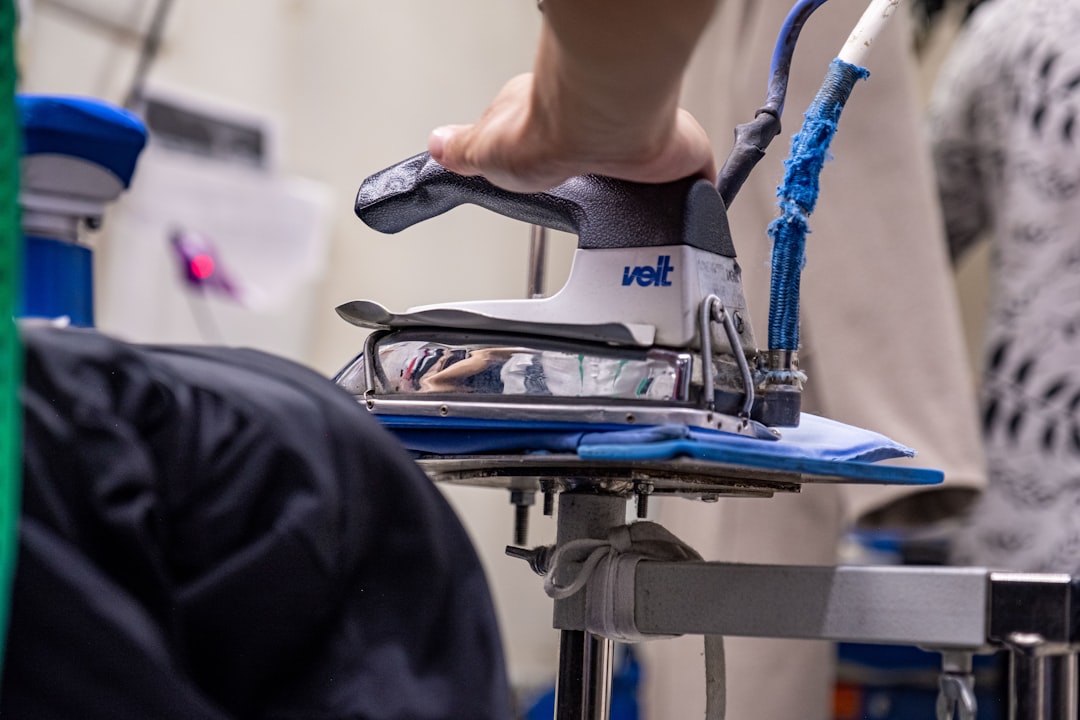
In the world of custom printing and product personalization, the heat press machine has emerged as an indispensable tool. From creating unique clothing designs to decorating mugs and caps, these machines offer a versatile approach to crafting high-quality items. However, navigating the various types, such as clamshell, swing-away, sublimation, cap, mug, DTF (Direct to Fabric), and understanding their settings can be daunting for beginners. This comprehensive guide aims to demystify the process, providing valuable insights into different heat press machines, their applications, and essential maintenance practices to ensure optimal performance. Let's delve into the intricacies of these powerful tools.
- Understanding Heat Press Machine Types: Clamshell vs Swing-Away
- Sublimation, Cap, Mug, DTF: Applications & Techniques Explained
- Optimizing Settings for Superior Print Quality
- Maintenance Tips for Your Heat Press Machine
Understanding Heat Press Machine Types: Clamshell vs Swing-Away
Choosing between a clamshell and swing-away heat press machine is a crucial decision for anyone involved in t-shirt printing or similar applications. Both types have their unique advantages and are suited to different workflows, making understanding their distinctions essential. Clamshell presses, characterized by their hinged design, offer ease of use and speed, allowing operators to quickly open and close the machine for each print job. This mechanism is particularly ideal for small-batch productions or when switching between designs frequently, as it facilitates rapid setup changes. For instance, a graphic artist printing custom t-shirts for a local event might find a clamshell press highly efficient, enabling them to meet rapid turnaround demands.
In contrast, swing-away presses provide a different operational experience. These machines pivot on a track or arm, moving away from the user when opening and swinging back into place when closed. This design offers increased workspace during the printing process, which is beneficial for handling larger items or complex designs that require more room for movement. Swing-away presses are particularly well-suited for specialty applications like cap printing, mug decorating, or creating intricate sublimation designs on a variety of materials. For example, a promotional products company specializing in personalized caps and mugs could greatly benefit from the versatile workspace offered by a swing-away press, allowing them to accommodate diverse client requests with ease.
When considering which type to invest in for your heat press machine needs, t-shirt printing professionals should weigh these factors: production volume, design complexity, and desired workflow efficiency. Clamshell presses excel in fast turnaround times and versatility for smaller batches, while swing-away models provide enhanced workspace and flexibility for larger projects or unique designs.
heat press resource of the day
heat press resource
Sublimation, Cap, Mug, DTF: Applications & Techniques Explained
The heat press machine is a versatile tool for various printing methods, among which sublimation, cap, mug, and direct-to-t-shirt (DTF) techniques stand out for their precision and effectiveness in t-shirt printing. Each technique leverages the power of heat to transfer designs onto substrates differently, catering to specific needs and outcomes.
Sublimation is a process where images are printed onto polyester or polyamide materials using heat and pressure. This method is ideal for creating vibrant, long-lasting prints on various items like phone cases, mugs, and textiles. Heat press machines designed for sublimation often feature precise temperature and pressure controls, allowing users to tailor settings for different materials. For instance, printing on a cotton t-shirt requires lower temperatures and pressures than sublimating designs onto a polycarbonate mug.
Cap printing, another popular application, involves decorating caps or hats with intricate designs. Heat press machines dedicated to this task typically include clamps that secure the cap firmly in place during the pressing process. This ensures consistent contact between the design and the cap material, resulting in sharp, detailed prints. By using heat-activated inks, printers can achieve professional-grade results on a variety of caps, from baseball hats to beanies.
Direct-to-t-shirt (DTF) printing has gained popularity for its speed and versatility. This technique uses heat to permanently adhere ink directly onto the fabric of a t-shirt. Heat press machines optimized for DTF often incorporate platens that can accommodate different material types, from cotton to synthetic blends. The key to successful DTF printing lies in precise temperature control; inks require specific temperature ranges for optimal bonding with fabrics. For example, polyester inks typically require higher temperatures than water-based inks to ensure permanent adhesion.
Regular maintenance of heat press machines is crucial to ensure optimal performance and longevity. This includes cleaning the platen after each use, checking for wear and tear on components, and calibrating temperature and pressure settings according to the manufacturer's recommendations. Proper care extends the lifespan of the machine and maintains the quality of printed items, be it a custom-designed t-shirt or a beautifully decorated cap.
Optimizing Settings for Superior Print Quality
Optimizing the settings on your heat press machine is a critical step in achieving superior print quality, especially in the realm of t-shirt printing. Different heat press machines offer various settings and options, but understanding the fundamentals remains key. For instance, the clamshell and swing-away designs provide unique advantages; the former excels in even heat distribution for detailed prints, while the latter offers convenience for rapid production. Each heat press type has specific parameters to tweak, such as temperature, pressure, and press time, which collectively influence the final outcome.
When focusing on t-shirt printing, sublimation and cap printing techniques demand precise settings. In sublimation, where designs are infused into polyester materials, temperature and pressure settings must be carefully balanced to prevent smudging or bleeding of colors. Heat press machines designed for DTF (Direct-to-Garment) printing, a versatile method for various materials, offer a range of settings to cater to different fabric types and print complexities. For instance, a higher temperature and shorter press time may be suitable for light fabrics, while denser materials might require lower heat and extended press durations.
Regular maintenance of your heat press machine is equally vital for consistent print quality. This includes cleaning the heating element and platens to remove any residue or debris, ensuring even heat transfer. Additionally, checking and calibrating pressure settings periodically guarantees the machine maintains optimal performance. Many heat press machines come with automated calibration features, streamlining this process. By consistently optimizing settings and maintaining your equipment, you'll be well-equipped to deliver high-quality prints, ensuring your t-shirt printing business remains competitive and your customers satisfied.
Maintenance Tips for Your Heat Press Machine
Maintaining your heat press machine is essential for ensuring optimal performance, longevity, and consistent results when engaging in t-shirt printing or other sublimation techniques. Regular upkeep involves a combination of cleaning, calibration, and part inspection. Begin by thoroughly cleaning the press plate and heat platens after each use, removing any residual ink or debris. A soft cloth dampened with isopropyl alcohol is ideal for this, as it effectively cleans without damaging the surface.
Further, maintaining precise temperature and pressure settings is paramount. Regular calibration ensures your heat press machine delivers the exact combination required for different materials and design types. Consult your machine's manual for specific calibration procedures, as they can vary between models. For instance, a swing-away heat press might necessitate different settings for cap printing compared to a clamshell design when conducting t-shirt printing.
Additionally, visually inspect all components for signs of wear or damage. Pay special attention to the press plate, heat platens, and any sealing mechanisms. Regular replacement of worn parts, such as gaskets or pressure pads, is crucial to maintain even pressure distribution. Data suggests that scheduled maintenance can extend the lifespan of your heat press machine by up to 25%, significantly reducing downtime and enhancing overall efficiency when used for t-shirt printing or other heat transfer applications.
Frequently Asked Questions About Heat press machine guides: clamshell, swing-away, sublimation, cap, mug, DTF, settings and maintenance.
What is a heat press machine? A heat press machine is a specialized tool used for applying heat and pressure to transfer designs onto various materials, primarily in the printing industry. It consists of a heated platens (a heating element) that clamps down on the material to fuse ink or dye into the substrate. Heat presses are versatile and can be used for a range of applications, including t-shirt printing, mug decorating, and creating custom caps.
How do heat press machines work? Heat press machines operate by following several steps: first, the design is prepared digitally and then printed onto a transfer paper. The material to be printed (like a t-shirt or cap) is placed on one platen, while the transfer paper with the design is positioned on top. The machine clamps down, applying heat and pressure, which transfers the ink or dye from the paper onto the material, creating a permanent imprint. Once cooled, the finished product is released.
What are the different types of heat press machines? Heat press machines can be categorized based on their design:
-
Clamshell: A simple, compact machine with two hinged platens that close together. It's ideal for small-scale printing and is popular among hobbyists.
-
Swing-Away: Features a swing arm mechanism, allowing one platen to swing away from the other, providing easier material loading and unloading.
-
Sublimation: Specifically designed for transfer prints using sublimation ink, which permanently dyes porous materials like polyester.
-
Cap/Mug: These machines are tailored for printing on caps and mugs, often with adjustable platens to accommodate different sizes.
What settings should I consider when operating a heat press? Effective heat pressing involves setting the right temperature and pressure for your specific project:
- Temperature: Varies depending on the material and ink type. Refer to the manufacturer's guidelines or use a thermal probe to ensure accurate heating.
- Pressure: Typically controlled by the machine's clamping mechanism. Adjust it based on the thickness of the material, with more pressure required for thicker substrates.
- Press time: The duration the platen remains closed. This depends on the material and design complexity; longer times may be needed for deeper impressions.
How do I maintain my heat press machine? Proper maintenance ensures your heat press machine performs optimally and lasts longer:
- Clean regularly: Remove residual ink and debris after each use. Use recommended cleaning solutions, avoiding harsh chemicals that could damage the machine.
- Lubrication: Periodically lubricate moving parts as per the manufacturer's instructions to ensure smooth operation.
- Calibration: Check and calibrate temperature settings periodically to maintain accuracy.
- Avoid overloading: Ensure materials are properly centered and not overloaded, preventing uneven printing or machine strain.
By delving into the diverse world of heat press machine types, applications, and maintenance, this guide has equipped readers with a comprehensive toolkit for superior printing outcomes. Understanding the distinctions between clamshell and swing-away models allows for informed decisions tailored to individual needs. The exploration of various techniques, from sublimation to DTF, expands creative possibilities, enabling users to master diverse materials and projects. Optimizing settings ensures consistent, high-quality prints, while practical maintenance tips safeguard the longevity of the heat press machine. Armed with this knowledge, users are now empowered to navigate the heat press landscape with confidence, revolutionizing their printing endeavors.