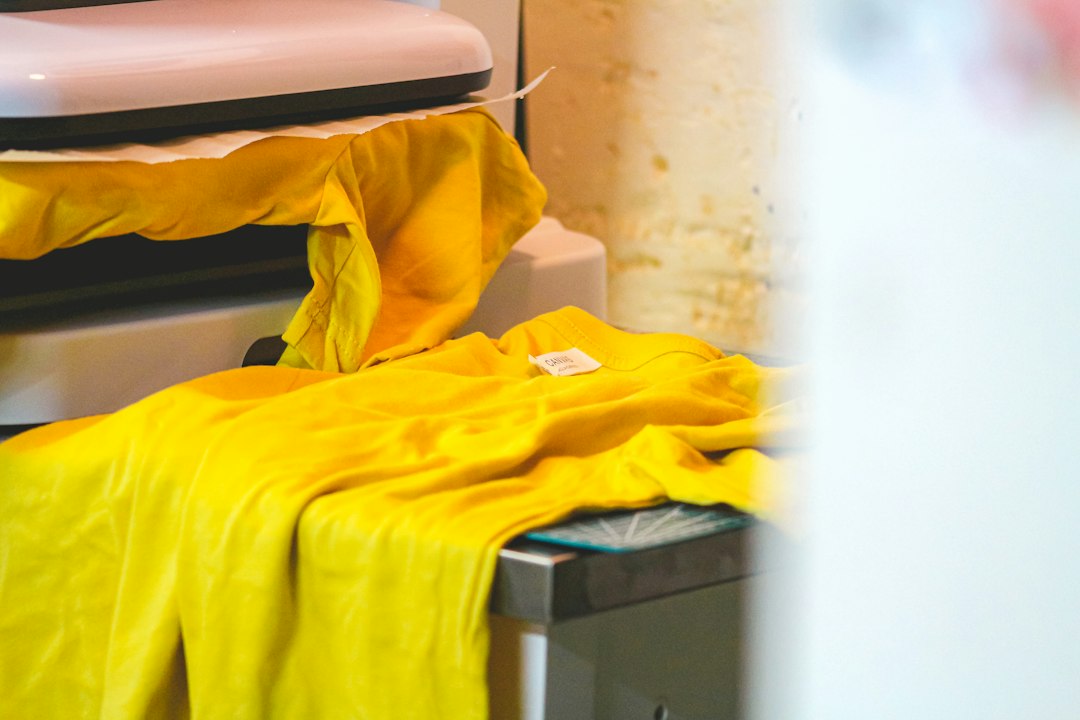
In the dynamic realm of printing and design, heat press machines have emerged as indispensable tools, enabling creators to bring their artistic visions to life on a variety of surfaces. From custom apparel to promotional items, the versatility these machines offer is unparalleled. However, navigating the diverse heat press types and their unique applications can be a challenge. This guide aims to demystify the process, focusing on three prominent styles: clamshell, swing-away, and sublimation presses, each with its own advantages. We’ll delve into the intricacies of DTF (Direct to Fabric) transfers, explaining how they naturally enhance the printing process. Furthermore, we’ll provide essential insights into settings adjustments and maintenance, ensuring your heat press operates at peak performance.
- Understanding Heat Press Machines: Types and Their Uses
- Setting Up Your Heat Press for Different Transfers (DTF)
- Mastering DTF Transfer Techniques and Quality Control
- Maintaining and Calibrating Your Heat Press Machine
Understanding Heat Press Machines: Types and Their Uses
Heat press machines come in various types, each with distinct mechanisms and applications, especially in the realm of t-shirt printing. Understanding these differences is crucial for selecting the right tool for specific jobs, ensuring DTF transfers are precise and natural. Let’s explore three common types: clamshell, swing-away, and sublimation presses, delving into their unique features and use cases.
Clamshell machines, with their simple design, are popular choices for small businesses and hobbyists. They feature a top and bottom plate that closes like a clam, applying pressure evenly across the print area. This design makes them ideal for direct-to-garment (DTF) transfers, as they can precisely align prints on various garment types. For instance, when conducting DTF transfers on caps or mugs, clamshell presses provide the necessary heat and pressure without compromising the item’s shape or finish.
Swing-away presses offer a more versatile approach to heat pressing. These machines have a pivoting arm that swings away from the work area, allowing for easier loading and unloading of materials. This mechanism is beneficial when dealing with larger items like mugs or even custom-shaped garments. The swing-away design accommodates a broader range of printing needs, making it a preferred choice for many professional t-shirt printers who frequently switch between DTF transfers and other heat press techniques.
Sublimation presses are designed for specific applications that require more intense heat and pressure. They use a transfer paper with pigmented ink that fuses into the fabric during heating, creating vibrant prints on a variety of materials. For example, when printing on polyestere-based items like mugs or caps, sublimation offers superior color saturation and durability compared to DTF methods. This process has revolutionized custom product manufacturing, allowing for intricate designs and detailed graphics on everyday items, all while maintaining a professional finish.
heat press resource of the day
heat press resource
Setting Up Your Heat Press for Different Transfers (DTF)
Setting up your heat press for different transfers, particularly Direct to Fabric (DTF) printing, requires a nuanced understanding of the machine’s capabilities and material compatibility. DTF transfers offer unparalleled print quality on a variety of fabrics, from cotton t-shirts to polyesters. To achieve optimal results, start by selecting the appropriate settings based on the material being printed. For example, lower heat pressures and shorter exposure times are ideal for delicate fabrics like silk or linen, while more robust materials like heavy cotton or polyester may require higher temperatures and extended contact times.
The heat press itself plays a crucial role in successful DTF transfers. Clamshell, swing-away, and cap machines each have unique advantages. Clamshell presses, with their sealed heating platens, excel at applying consistent pressure for detailed prints on a wide range of materials. Swing-away models offer enhanced visibility during the printing process, making them popular for intricate designs that require precise adjustments. Cap presses, designed specifically for printing on caps and other curved surfaces, utilize a rotating platform to ensure even heat distribution across irregular shapes.
Maintaining your heat press is essential to preserve its performance and longevity. Regular cleaning of the heating platens with suitable cleaners or specialized cloth ensures optimal adhesion for subsequent prints. Calibrating the machine periodically according to manufacturer recommendations ensures accurate temperature readings, which is critical when fine-tuning settings for different DTF transfers. Additionally, keeping the press well-lubricated (where applicable) and inspecting it for signs of wear can prevent malfunctions and ensure consistent print quality over time. By understanding your heat press’s capabilities, selecting the right settings, and maintaining optimal machine conditions, you’ll be able to achieve exceptional results in t-shirt printing and other DTF applications.
Mastering DTF Transfer Techniques and Quality Control
Mastering Direct-to-Garment (DTF) transfer techniques and quality control is an art within the realm of t-shirt printing. This method, when executed correctly, allows for precise, vibrant designs directly onto fabric, making it a favorite among professionals. DTF transfers offer unparalleled detail and color accuracy, ensuring your prints stand out. The process involves placing the design between a donor sheet and the garment, then applying heat and pressure to fuse the ink permanently.
Key to successful DTF transfers is understanding the settings on your heat press machine. For instance, temperature and pressure settings vary based on fabric type and ink composition. Adjustments as small as 1-3 degrees can impact adhesion and ink transfer, so precision is crucial. Regular maintenance of your equipment is equally vital; keeping your heat press clean and calibrating it regularly ensures consistent performance. Consider implementing a quality control checklist to ensure each print meets the desired standards. This may include inspecting for ink bleeding, color accuracy, and overall design integrity.
Another aspect to master is the choice of ink and film. Different inks and films are designed for specific applications, so selecting the right combination for your project is essential. For example, water-based inks are popular for their fast drying time and low odor, while vinyl inks offer durability and versatility. Additionally, using high-quality transfer papers ensures consistent results and minimizes the risk of smudging or misalignment during the heat press cycle.
Over time, you’ll develop a keen eye for optimal settings and techniques, enabling you to produce exceptional DTF transfers every time. Whether printing on t-shirts, hoodies, or other fabrics, these advanced transfer methods can elevate your work to new heights, leaving clients impressed with the quality and professionalism of your designs.
Maintaining and Calibrating Your Heat Press Machine
Maintaining and calibrating your heat press machine is a critical yet often overlooked aspect of successful t-shirt printing. Regular upkeep ensures consistent, high-quality results, with each DTF transfer naturally aligning perfectly. Begin by cleaning the plate with isopropyl alcohol and a soft cloth after every use, removing any residual ink or debris. This simple step prevents buildup and ensures optimal heat transfer for future jobs.
Next, periodically calibrate your machine, focusing on temperature and pressure settings. The ideal settings for DTF transfers typically range from 350°F to 375°F (177°C to 191°C) for heat application, with a pressure of 15-20 PSI. However, these can vary based on your specific heat press model and material being printed. Consult your machine’s user manual for precise guidelines, and use test prints to fine-tune your settings.
Additionally, maintain a regular schedule for deep cleaning, involving a more thorough process that includes stripping the plate with a specialized cleaner to remove any cured ink residue. This is particularly important for preventing ink buildup, which can negatively impact print quality. Remember, consistent maintenance and calibration not only extend your machine’s lifespan but also ensure that every DTF transfer meets the highest standards of quality and precision, solidifying your position as a leader in the t-shirt printing industry.
Frequently Asked Questions About Heat press machine guides: clamshell, swing-away, sublimation, cap, mug, DTF, settings and maintenance.
What is a heat press machine?
A heat press machine is a device used to apply heat and pressure to transfer designs onto various materials, primarily for custom printing and decoration. It consists of two components: a heating element and a press, which can be either a clamshell or swing-away design. Heat press machines are versatile, capable of sublimation, direct-to-fabric (DTF), cap pressing, and mug printing.
How does a clamshell heat press machine work?
Clamshell machines feature two halves that close together, creating a sealed chamber. Heat is applied to the top plate, which transfers through the material to the design, ensuring even pressure and heat distribution. This design is popular for its simplicity and ease of use, making it ideal for small-scale printing and home users.
What are the benefits of using a swing-away heat press machine?
Swing-away machines offer a more open design where the top plate swings away from the base, providing easier access to the pressing area. This feature is advantageous for larger projects or when working with thicker materials as it allows for better visibility and control during the printing process. Additionally, swing-away models often have adjustable pressure settings, making them suitable for various substrates.
What is sublimation printing, and how does it work?
Sublimation involves transferring a design from a solid to a gas phase without passing through a liquid state. In heat press machines, this is achieved by heating a special dye or ink until it sublimates and bonds with the substrate, typically polyester or polyamide fabrics. The process allows for vibrant, long-lasting prints on a wide range of materials.
How do I set the correct temperature and pressure for printing?
Temperature and pressure settings depend on the material being printed and the design complexity. Refer to your heat press machine’s manual for specific guidelines. Generally, you’ll want to apply enough heat to melt or activate the ink/dye while maintaining suitable pressure to ensure good contact between the design and the substrate. Adjustments may be necessary for different projects.
What maintenance is required for a heat press machine?
Regular cleaning is essential to maintain the quality of your prints. Remove excess ink or debris after each use. Periodically, disassemble and clean all components, especially the heating element and pressure plate. Additionally, ensure proper ventilation during operation to prevent overheating and consider using heat-resistant materials to prolong the machine’s lifespan.
By exploring the various types of heat press machines, from clamshell to swing-away models, and delving into specific techniques like sublimation, cap, mug, and DTF transfers, this guide has equipped readers with a comprehensive toolkit for successful printing. Mastering DTF transfers, in particular, offers versatile applications across diverse materials, ensuring high-quality results. Regular maintenance and calibration are crucial to preserving machine accuracy and longevity. Armed with these insights, users can confidently navigate the heat press landscape, enhance their printing capabilities, and deliver exceptional products.