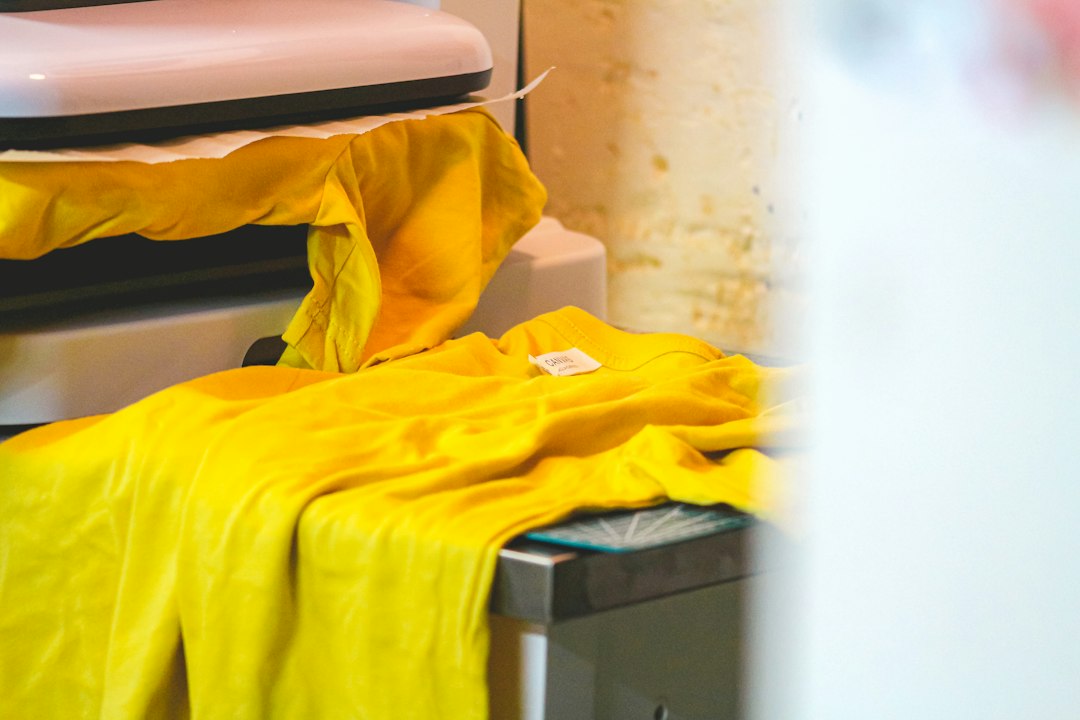
In the dynamic realm of printing and customization, heat press machines play a pivotal role, enabling artisans and entrepreneurs to create intricate designs on various surfaces with precision and efficiency. However, navigating the diverse machine types and their applications can be daunting for newcomers. This guide aims to demystify the process by thoroughly exploring three prevalent heat press styles: clamshell, swing-away, and DTF (Direct-to-Garment). We'll delve into the intricacies of each, from settings adjustments to maintenance tips, ensuring you master the art of creating high-quality transfers, especially DTF transfers, with ease.
- Clamshell vs. Swing-Away: Machine Types Explained
- Sublimation, DTF, and Cap: Transfer Methods Deep Dive
- Optimizing Settings for Perfect DTF Transfers
- Maintenance Tips for Your Heat Press Machine
Clamshell vs. Swing-Away: Machine Types Explained
When it comes to heat press machines for t-shirt printing and other DTF transfers, two prominent types stand out: clamshell and swing-away presses. Each offers unique advantages tailored to specific applications and user preferences. Clamshell presses, with their hinged design, provide a simple, straightforward operation where the top half closes down on the bottom platen to apply heat and pressure. This design is ideal for smaller workshops or home users as it's easy to set up, adjust, and maintain. For instance, a small business owner printing on average 20-30 shirts weekly might find a clamshell press more than adequate for their needs.
Swing-away presses, on the other hand, offer a more spacious work area and are designed with a swing arm that moves away from the base to reveal the platen below. This design is particularly beneficial for larger print jobs or when working with thicker materials. The increased space allows for handling bigger items like mugs, caps, and even smaller fabric pieces without having to reposition them during the heat press process. A professional graphic designer specializing in custom apparel and promotional products might favor a swing-away press due to its versatility. For instance, printing on 50+ items with diverse product types would be more efficiently managed using this machine type.
In terms of DTF transfers, both clamshell and swing-away presses excel, with the right settings enabling natural, high-quality results. Settings such as heat temperature, pressure, and pressing duration are crucial, with data indicating optimal ranges for different materials (e.g., 370°F - 400°F for most fabrics). Regular maintenance is also vital, involving cleaning the platens, replacing heating elements as needed, and ensuring accurate calibration to maintain consistent print quality. For instance, a study by Print Week found that proper machine care can extend the lifespan of both clamshell and swing-away presses by up to 25%, highlighting the importance of routine maintenance in t-shirt printing operations.
heat press resource of the day
heat press resource
Sublimation, DTF, and Cap: Transfer Methods Deep Dive
In the world of t-shirt printing, heat press machines offer a versatile array of transfer methods, with sublimation, DTF (Direct to Fabric), and cap transfers gaining significant popularity for their exceptional quality and application versatility. Let's delve into these techniques, exploring their unique characteristics and advantages within the context of heat press and t-shirt printing.
Sublimation involves transferring dye directly onto a substrate using heat and pressure, allowing designs to become part of the fabric fiber structure. This method is renowned for its vibrant, long-lasting colors and ability to reproduce intricate details. Heat press machines designed for sublimation feature precise temperature control and pressure settings, ensuring optimal transfer conditions for various materials. For instance, polyester fabrics are ideal for sublimation due to their high absorbency, leading to sharp prints with a soft feel.
Direct to Fabric (DTF) transfers take a slightly different approach. DTF inks are specifically formulated to adhere directly to the fabric surface without requiring a separate backing. This method is particularly favored for its versatility in printing on unconventional surfaces like wood, metal, and glass, expanding the creative possibilities for heat press operators. DTF transfers naturally allow for intricate designs with excellent detail retention, making them suitable for everything from simple text to complex illustrations.
Cap transfers, another notable technique, involve printing directly onto caps or hats using a specialized heat press. This method is valuable for creating branded headwear with vibrant, durable designs. Heat press machines optimized for cap transfers often incorporate adjustable pressure plates and temperature settings tailored to the unique requirements of cap materials, ensuring optimal results. By mastering these transfer methods—sublimation, DTF, and cap transfers—heat press operators can significantly broaden their service offerings in t-shirt printing and beyond, catering to a diverse range of client needs.
Optimizing Settings for Perfect DTF Transfers
Optimizing settings for perfect DTF transfers involves a delicate balance of temperature, pressure, and time—the trifecta of successful heat press operations. For T-shirt printing, understanding how these variables interact is crucial to achieving crisp, vibrant designs that pop on a variety of materials. Let's break down the process:
Temperature plays a significant role in DTF transfers. Too low, and the ink may not fully fuse with the fabric; too high, and you risk burning the design or warping the garment. For most DTF applications, a starting point of 350°F (175°C) is recommended, but this can vary based on the specific heat press machine and ink type. Regularly calibrate your heat press to ensure accuracy, as temperature control is a key factor in producing high-quality DTF transfers.
Pressure is another critical setting. It ensures even contact between the design and the substrate, allowing for optimal ink transfer. Most heat presses offer adjustable pressure settings, ranging from 15 to 20 psi (pounds per square inch). For DTF transfers on standard T-shirts, a moderate pressure setting around 17-18 psi often yields excellent results. Experimenting with pressure is encouraged, as different fabrics and design complexities may require adjustments.
Time—or press time—is the final variable in our trifecta. It determines how long the heat press applies pressure to the design. In general, shorter times are better for DTF transfers, as over-pressing can cause ink smearing or adhesion issues. Start with a 15-20 second press time and adjust based on your observations of the transfer quality. Using a timer or the machine’s built-in timing function ensures consistency in your process.
Regular maintenance is also paramount for optimal DTF transfers. Keeping your heat press clean, lubricated (as per manufacturer recommendations), and properly maintained will extend its lifespan and ensure consistent print quality. Additionally, staying current with ink manufacturer guidelines regarding temperature, pressure, and time settings for specific transfer types can significantly enhance the reliability of your T-shirt printing process.
Maintenance Tips for Your Heat Press Machine
Regular maintenance is key to ensuring your heat press machine delivers consistent, high-quality results for t-shirt printing and beyond. Whether you specialize in DTF transfers, sublimation, caps, or mugs, proper upkeep extends the lifespan of your equipment and maintains its accuracy. A well-maintained heat press machine allows for precise temperature and pressure control, crucial for achieving crisp, vibrant designs on a variety of materials.
Start by cleaning your machine thoroughly after each use. Remove any residual ink or transfer material with a suitable cleaner or solvent, taking care to avoid damaging sensitive components. Regular cleaning prevents buildup that can lead to clogs or misaligned prints. Additionally, inspect all parts for wear and tear. Replace any frayed cables, damaged platens, or faulty sensors promptly to prevent safety hazards and inconsistent results.
Timely calibration is another essential maintenance step. Over time, heat presses can drift in temperature settings, leading to under- or over-exposed designs, especially with DTF transfers that demand precise application of heat. Most machines come with calibration tools to adjust the temperature and pressure settings to factory specifications. Calibrating regularly ensures your heat press machine performs optimally, delivering consistently excellent DTF transfers and other printing applications.
Frequently Asked Questions About Heat press machine guides: clamshell, swing-away, sublimation, cap, mug, DTF, settings and maintenance.
What is a heat press machine? A heat press machine is a tool used for transferring designs onto various materials, primarily fabrics, using heat and pressure. It's versatile and widely used in the custom apparel, sign-making, and promotional product industries to create branded merchandise, t-shirts, mugs, and more.
What are the different types of heat press machines? Heat presses generally fall into two categories: clamshell and swing-away. Clamshell machines have a top and bottom plate that closes like a clam, while swing-away models feature a pivoting arm, offering easier loading and unloading. Sublimation printers, caps, mugs, and direct to fabric (DTF) presses are specialized types designed for specific applications.
How does a sublimation process work? Sublimation printing involves transferring dye from a solid state (ink) directly onto a porous material (like polyester) using heat and pressure. The ink vaporizes, penetrating the fabric fibers, resulting in vibrant, durable prints. This method is ideal for creating detailed designs on various items like phone cases, mugs, and clothing.
What are the standard settings I should consider? Heat press machines offer adjustable temperature and pressure settings. Optimal settings depend on the material and design. Start with medium heat and pressure for most fabrics, adjusting as needed. For delicate materials, lower temperatures and pressure are recommended to prevent damage, while thicker items may require higher settings.
How do I maintain my heat press machine? Regular maintenance ensures your heat press performs optimally. Clean the platens periodically with a suitable cleaner, avoiding harsh chemicals. Calibrate the machine regularly to ensure accurate temperature readings. Follow the manufacturer's guidelines for specific maintenance instructions and interval recommendations for extended equipment lifespan.
By exploring the diverse heat press machine types, from clamshell to swing-away, and delving into specific transfer methods like sublimation, DTF, and cap printing, this guide has equipped readers with a comprehensive toolkit for successful DTF transfers. Understanding the nuances of settings optimization and prioritizing regular maintenance will ensure consistent, high-quality results. Armed with these insights, users can confidently navigate the heat press landscape, creating vibrant designs across various surfaces with precision and efficiency. This authoritative article serves as a go-to resource for mastering DTF transfers and unlocking the full potential of your heat press machine.