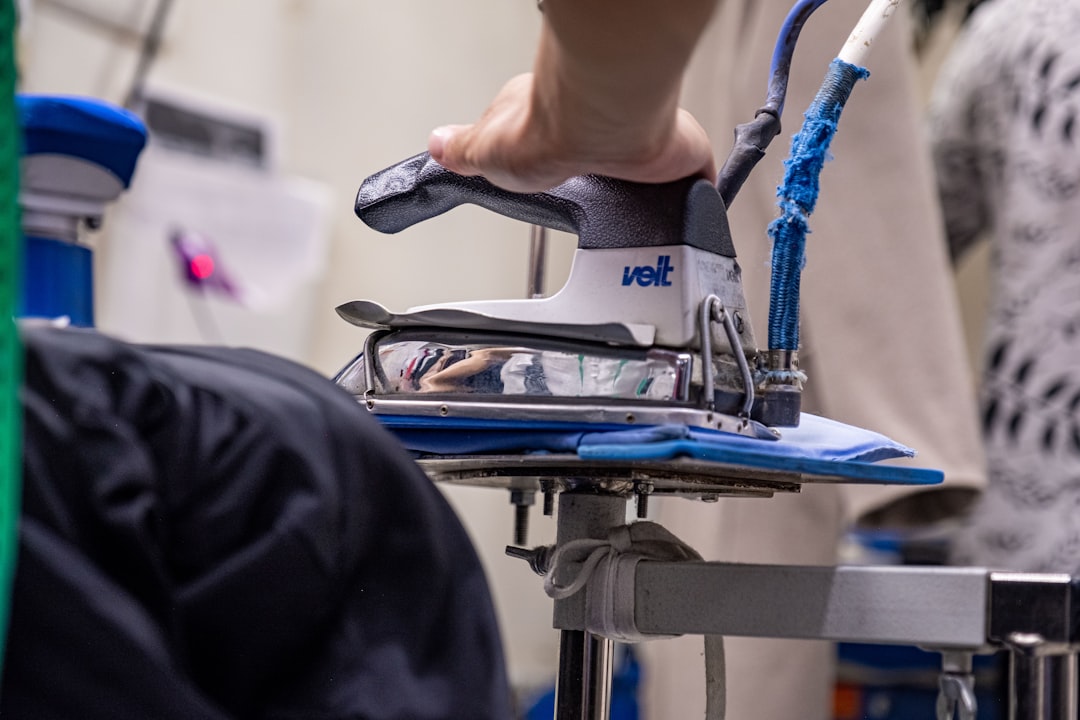
In the dynamic realm of print-on-demand and custom apparel, heat press machines are the linchpin, enabling creators and entrepreneurs to transform blank canvases into expressive works of art. However, navigating the diverse heat press types and techniques can be a daunting task, especially when delving into specific applications like cap heat press. This comprehensive guide aims to demystify the process, offering detailed insights into heat press machine types, including clamshell, swing-away, sublimation, and cap models, along with essential settings and maintenance practices to ensure optimal results and longevity.
- Understanding Heat Press Types: Clamshell vs Swing-Away
- Cap Heat Press: Sublimation, DTF, And Print Settings
- Maintenance Tips for Optimal Performance
- Mastering Your Machine: Cap Heat Press Applications
Understanding Heat Press Types: Clamshell vs Swing-Away
The world of heat press machines for t-shirt printing offers a variety of options, each with its own set of advantages and applications. Among these, two prominent types stand out: the clamshell and swing-away presses. Understanding the nuances between them is crucial for selecting the ideal equipment for your specific needs, whether you specialize in cap heat press or T-shirt printing.
Clamshell heat presses are characterized by their compact design, where both the upper and lower platens close together like a shell, creating a sealed environment for the printing process. This design makes them highly versatile, suitable for a wide range of materials, including caps. The clamshell structure facilitates easy loading and unloading, allowing for quick turnaround times. They are particularly favored by small businesses and hobbyists due to their affordability and ease of use. However, their smaller size may limit the pressure application, which can be a consideration when printing on thicker items like caps.
In contrast, swing-away presses offer a more traditional design where the upper platen swings away from the base, providing easier access for loading and maintaining the press. This mechanism is advantageous for tasks requiring higher pressure, such as printing on cap materials with greater thickness or texture. Swing-away presses are often preferred by professionals who work with a diverse range of products, ensuring optimal results across various materials. While they may have a steeper learning curve due to their more complex operation, they provide precision and control, making them suitable for high-volume production runs, including cap heat press applications.
When deciding between these types, consider your workload, budget, and the specific requirements of your printing projects. Clamshell presses excel in convenience and accessibility, while swing-away presses deliver precision and power for demanding tasks. For instance, if you primarily focus on personalized caps, a clamshell machine might suffice; however, if you aim to expand into diverse products with varying material thicknesses, investing in a swing-away press could be the game-changer your business needs.
heat press resource of the day
heat press resource
Cap Heat Press: Sublimation, DTF, And Print Settings
The cap heat press is a specialized tool within the realm of t-shirt printing, offering unique capabilities for sublimation and direct-to-garment (DTF) techniques. This versatile machine allows printers to achieve intricate designs and vibrant colors on caps, enhancing their product offerings. When it comes to print settings, precision is key. For sublimation, optimal temperatures between 350-370°F (177-190°C) ensure the dye permeates the cap material effectively. Press times vary depending on design complexity, typically ranging from 20-40 seconds for a single pass.
Direct-to-garment printing with a cap heat press presents distinct advantages. DTF allows for high-quality, full-color images directly onto caps, resulting in exceptional detail and durability. Recommended settings for DTF often include slightly lower temperatures around 325-350°F (163-177°C) to prevent warping or damaging the cap's structure. Press times may be longer, typically 40-60 seconds, ensuring the ink fully sets and bonds with the material. For best results, consider using high-quality inks designed for DTF printing to maintain vibrant colors and avoid fading.
Maintaining your cap heat press is crucial for consistent print quality. Regular cleaning and calibration ensure optimal performance. Remove residual ink buildup by cleaning the platens with a specialized cleaner or alcohol wipes after each use. Calibration checks should be performed monthly, adjusting temperature and pressure settings as needed to maintain precision. Additionally, keeping detailed records of print settings for different cap styles and designs can streamline future projects, allowing you to refine and optimize your t-shirt printing process.
Maintenance Tips for Optimal Performance
To maintain a heat press machine for optimal performance, especially when focusing on cap heat press applications, regular care and attention are paramount. Consider these maintenance tips to ensure your machine delivers consistent results for t-shirt printing or any other item you personalize. The most common types of heat presses include clamshell, swing-away, sublimation, cap, mug, DTF (Direct-to-Garment), each with unique features and settings that require specific care.
For instance, a cap heat press demands precise temperature and pressure control due to the delicate nature of caps. Regular cleaning of the platen and heating elements is crucial to prevent buildup of ink or debris, which can affect transfer quality. After each use, take a few minutes to wipe down the platen with a soft cloth and appropriate cleaner. For machines used intensively, consider daily thorough cleaning and calibration to maintain accuracy.
Moreover, maintaining optimal machine settings for cap heat press is essential. This involves setting the correct temperature based on the material and design being pressed, ensuring even pressure distribution, and allowing adequate cooling time. Data from industry experts shows that misadjusted settings can lead to inconsistent printing quality, wastage of materials, and potential damage to equipment. To prevent this, regularly check and calibrate your machine, considering factors like ink type, cap material, and design complexity.
Regular maintenance goes beyond cleaning and setting adjustments. Lubricating moving parts according to the manufacturer's guidelines is vital for smooth operation, preventing premature wear. Inspecting and replacing worn-out components, such as gaskets or springs, can extend the lifespan of your heat press. Lastly, staying updated with the latest maintenance techniques and industry best practices ensures your machine operates at peak efficiency, enabling you to deliver high-quality t-shirt printing services consistently.
Mastering Your Machine: Cap Heat Press Applications
Mastering your cap heat press involves understanding its unique applications and optimizing settings for various materials. Cap heat presses, a specialized type of heat press, are designed specifically for printing on caps and hats, offering precise temperature control and pressure distribution tailored to these curved surfaces. Unlike t-shirt printing, which relies on a flat bed, cap heat pressing requires adjusting to the cap's shape.
When applying designs to caps using a heat press, several factors come into play. First, ensure your machine is set to the correct temperature for the specific cap material, typically lower than for t-shirts due to their thinner composition. Second, consider pressure application; too much pressure can deform the cap, while insufficient pressure may result in poor image transfer. Most machines offer preset settings for common materials, but manual adjustments are often required for optimal results. For instance, polypropylene caps might need a slightly lower temperature and reduced pressure compared to cotton or polyester ones.
Regular maintenance is vital for keeping your heat press operating at peak efficiency when engaging in cap heat press applications. Cleaning the platen regularly removes buildup from ink and other materials, ensuring consistent contact with caps. Additionally, inspect and calibrate your machine periodically to maintain precise temperature and pressure control, crucial for high-quality prints. By mastering these aspects of your cap heat press, you can achieve vibrant, long-lasting designs on a variety of caps, expanding your product offerings in the t-shirt printing industry.
Frequently Asked Questions About Heat press machine guides: clamshell, swing-away, sublimation, cap, mug, DTF, settings and maintenance.
What is a heat press machine? A heat press machine is a tool used for applying heat and pressure to transfer designs or graphics onto various materials, primarily used in the printing industry. It consists of a heated platens and a press mechanism that secures the material during the heating process.
How does a clamshell heat press machine work? Clamshell machines feature two hinged platens that close together, encapsulating the material. Heat and pressure are applied, allowing the design to transfer from the heat press medium (like a vinyl cut-out) onto the substrate (t-shirt, mug, etc.). The process ensures a precise and even application of heat.
What is the difference between a swing-away and clamshell heat press? Swing-away presses have a single platen that swings away from the other platen, offering easier material loading and unloading. Clamshell presses, as mentioned, use two platens that close like a clam, providing a secure pressure seal. Swing-away models are often more compact and suitable for smaller operations, while clamshells handle bulk production better.
What is sublimation printing, and how does it work with a heat press? Sublimation involves transferring a design from a solid (ink or dye) directly into a gas phase, bypassing the liquid phase. In a heat press, a special paper or transfer film with the sublimation ink is heated, causing the ink to vaporize and permanently bond with the substrate, typically polyestering or nylon.
How do I set the correct temperature and pressure for printing? Temperature and pressure settings depend on the material, ink type, and design complexity. Most heat presses come with charts or guides. Start with the recommended settings, then adjust as needed. Using too much heat or pressure can damage the substrate or distort the design. Always test on scrap material first.
How do I maintain my heat press machine? Regular cleaning and maintenance ensure optimal performance. Wipe down the platens after each use with a damp cloth. Periodically deep clean with isopropyl alcohol. Calibrate pressure and temperature regularly, and replace worn-out parts, like gaskets, promptly. Store the press in a clean, dry environment when not in use.
By delving into the intricacies of heat press machines, including their types like clamshell and swing-away models, and focusing specifically on the cap heat press, this guide has empowered readers with a comprehensive toolkit for successful printing. Understanding sublimation, DTF, and print settings for caps, along with essential maintenance practices, ensures optimal performance and high-quality results. Mastering your cap heat press opens doors to diverse applications, fostering creativity and innovation. Moving forward, readers are equipped to navigate the world of cap heat pressing with confidence, leveraging these insights as a foundation for continued exploration and success in this dynamic field.