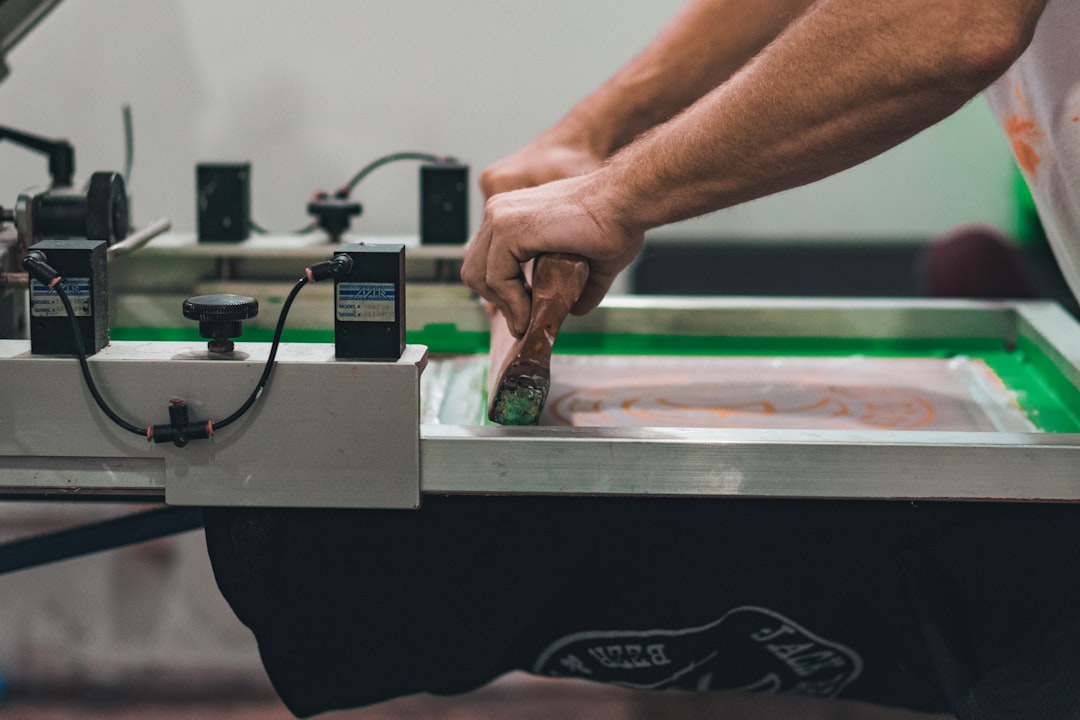
In the dynamic landscape of print-on-demand and custom product manufacturing, heat press machines have emerged as indispensable tools. Cap heat press, in particular, has gained traction for its versatility and efficiency in producing high-quality, personalized caps. However, navigating the diverse options—from clamshell to swing-away models, and understanding the intricacies of sublimation, DTF, and various cap types—can be daunting. This guide aims to demystify these processes, providing a comprehensive overview of heat press machines, their settings, and essential maintenance tips, empowering you to make informed choices and achieve exceptional results, especially when cap heat press is naturally your focus.
- Understanding Heat Press Types: Clamshell vs. Swing-Away
- Cap Heat Press: Techniques & Settings for Optimal Results
- Exploring Sublimation: Applications & Best Practices
- Maintenance and Troubleshooting Your Heat Press Machine
Understanding Heat Press Types: Clamshell vs. Swing-Away
The world of heat press machines for t-shirt printing offers a variety of options tailored to different needs and preferences. Among these, two prominent designs stand out: the clamshell and swing-away models. Each has unique advantages that cater to specific printing scenarios. Clamshell presses, for instance, are characterized by their hinged design where both halves close together, providing a secure pressure seal. This structure is ideal for applications requiring precise temperature control over smaller designs, like cap heat press work. The uniform pressure distribution across the entire surface makes it perfect for detailed, high-quality imprinting on caps and other similar items.
Conversely, swing-away presses feature a design where the plate moves away from the heat source, offering a more open working area. This mechanism is particularly beneficial for larger printing projects or those involving thicker materials. It allows printers to easily load and unload designs, especially when conducting 1-3 print runs per day. For instance, if your business specializes in custom t-shirt printing, a swing-away press could streamline the process by accommodating various garment sizes more efficiently.
Choosing between these types depends on your primary printing objectives. Consider factors such as the average order size, design complexity, and material thickness to determine whether a clamshell or swing-away press aligns better with your t-shirt printing requirements. Regularly maintaining your heat press machine, including cleaning and calibrating components, is crucial for ensuring consistent print quality and longevity, regardless of the model chosen.
heat press resource of the day
heat press resource
Cap Heat Press: Techniques & Settings for Optimal Results
The cap heat press is a specialized tool within the realm of t-shirt printing, offering precise and efficient application of designs to caps. Unlike larger flatbed or sublimation presses, this compact machine focuses on the unique challenges of decorating curved surfaces. Optimal results with a cap heat press demand a deep understanding of both technique and settings.
Key to success lies in recognizing the interplay between pressure, temperature, and time. For example, polypropylene (PP) caps require lower temperatures (around 320-350°F or 160-175°C) and shorter press times (typically 8-12 seconds) due to their delicate nature. In contrast, cotton twill caps withstand higher temperatures (up to 400°F or 205°C) and slightly longer durations (12-15 seconds). Precise control over these variables ensures the design fuses securely with the cap's material while minimizing damage.
Moreover, maintaining proper alignment and pressure distribution is crucial. Ensure the press plate makes uniform contact with the cap to prevent uneven printing. Regular cleaning and calibration of the machine also play a vital role in achieving consistent results. For instance, residual ink or buildup can lead to inconsistent heat transfer, impacting print quality. Therefore, a well-maintained cap heat press not only extends its lifespan but also guarantees high-quality, long-lasting decorations on caps, making it an indispensable tool for professional t-shirt printing operations.
Exploring Sublimation: Applications & Best Practices
Sublimation is a versatile heat press technique with diverse applications, particularly in the realm of t-shirt printing. This method involves transferring dye or ink from a substrate (like a cap heat press) onto another material, typically a garment, using heat and pressure. Unlike direct application methods, sublimation allows for vibrant, long-lasting designs that become an integral part of the fabric, ensuring colorfastness even after multiple washes.
In t-shirt printing, sublimation is often used to create detailed, full-color graphics on various items, from standard tees to performance apparel. The process starts by applying heat to the substrate with a specialized heat press machine, typically a cap heat press or a flatbed press designed for sublimation. As the heat activates the dye particles, they permeate the fabric fibers, resulting in an incredibly high-quality, sharp image that retains its vibrancy even after repeated use. This method is particularly advantageous for complex designs and allows printers to offer a wide range of customization options.
Best practices for successful sublimation include using high-quality materials, ensuring proper heat and pressure settings, and allowing adequate time for the dye to fully sublimate into the fabric. For example, when printing on caps, maintaining consistent heat distribution across the mold is crucial to achieve even color saturation. Regular maintenance of heat press machines, including cleaning and calibrating parts like platens and heating elements, is essential to maintain optimal performance and ensure the longevity of printed items. Data from industry studies shows that proper care can extend machine lifespan by up to 30%, significantly reducing operational costs for t-shirt printing businesses.
Maintenance and Troubleshooting Your Heat Press Machine
Maintaining your heat press machine is crucial for optimal performance and longevity, especially when it comes to specialized processes like cap heat press. Regular care ensures your equipment delivers precise results time and again, enhancing your t-shirt printing or other custom product creation efforts. Start by keeping your machine clean; a simple wipe down with a damp cloth after each use prevents buildup of residual ink or debris. This is particularly important for cap heat presses, where any foreign particles can affect the final design.
Over time, components may wear out, requiring periodic replacement to maintain accuracy. For instance, pressure plates and heated platen should be inspected regularly for signs of damage or wear; their proper alignment and condition are essential for consistent clamping force during heat transfer. Refer to your machine's user manual for specific maintenance schedules and guidelines. Furthermore, understanding the unique settings for various printing methods—such as sublimation or DTF (Direct-To-Garment)—is key. These parameters often require adjustments based on material type, design complexity, and desired outcome, directly impacting the quality of your final products.
Troubleshooting common issues can save time and frustration. If your heat press machine struggles to maintain temperature, check for blockages in the heating element or ensure proper power supply. Inconsistent prints might be due to platen alignment or worn-out ink wells. Regular maintenance and prompt attention to any anomalies will help prevent catastrophic failures and keep your heat press running smoothly, enabling you to produce high-quality items efficiently—whether it's a simple cap heat press job or more complex t-shirt printing designs.
Frequently Asked Questions About Heat press machine guides: clamshell, swing-away, sublimation, cap, mug, DTF, settings and maintenance.
What is a heat press machine? A heat press machine is a tool used for transferring designs onto various materials like t-shirts, mugs, caps, and more. It works by applying heat and pressure to merge the design with the substrate. Heat presses come in different styles, including clamshell, swing-away, and sublimation machines, each offering unique benefits for specific applications.
How does a clamshell heat press work? Clamshell heat presses feature two halves that close together, forming a seal. The design is transferred by heating the material between the two halves. This style is popular for texturing and graphic designs due to its ease of use and ability to apply pressure evenly. It's ideal for small-batch production and professional applications.
What is the difference between a swing-away and clamshell heat press? The primary distinction lies in their design. A swing-away machine has one fixed half and a pivoting half, allowing for easier loading and unloading. Clamshell presses close completely, offering more control during the heating process. Swing-aways are generally faster and better suited for larger production runs or printing on curved surfaces.
What is sublimation printing, and how does it work with a heat press? Sublimation involves transferring a design from a solid to a gas without passing through a liquid phase. In a heat press, a printed design on a special paper is heated until it sublimates and permanently adheres to the substrate, like a t-shirt or mug. This method allows for vibrant, full-color prints with crisp details.
How do I set the correct temperature and pressure for my heat press? The ideal settings depend on your material and design. Start by consulting your machine's manual for recommended temperatures and pressures. Generally, higher viscosities require higher temperatures. For textiles, adjust pressure based on the thickness of the fabric. Fine-tune these settings through practice to achieve optimal results without damaging your materials or equipment.
What maintenance is required for a heat press machine? Regular cleaning is essential to maintain optimal performance. Wipe down the heating plate after each use with a cloth or paper towel. Periodically deep clean the machine using recommended solvents, especially for food-related items like mugs. Ensure proper ventilation and follow safety guidelines when operating to prolong the lifespan of your heat press.
By delving into the various heat press machine types, including clamshell, swing-away, sublimation, cap, mug, DTF, and exploring optimal settings for each, this guide has equipped readers with a comprehensive toolkit for successful printing. Understanding the nuances of cap heat press techniques and maintenance is now within reach, empowering users to achieve top-quality results consistently. The insights gained from this article serve as a solid foundation for both beginners and experienced professionals to navigate the world of heat pressing, ensuring their projects not only meet but exceed expectations. With these authoritative guidelines, readers are ready to revolutionize their creative processes and produce captivating, durable designs.